Future-Proof Your Job From AI: The Skills That Make You Indispensable - with Rosie Ward
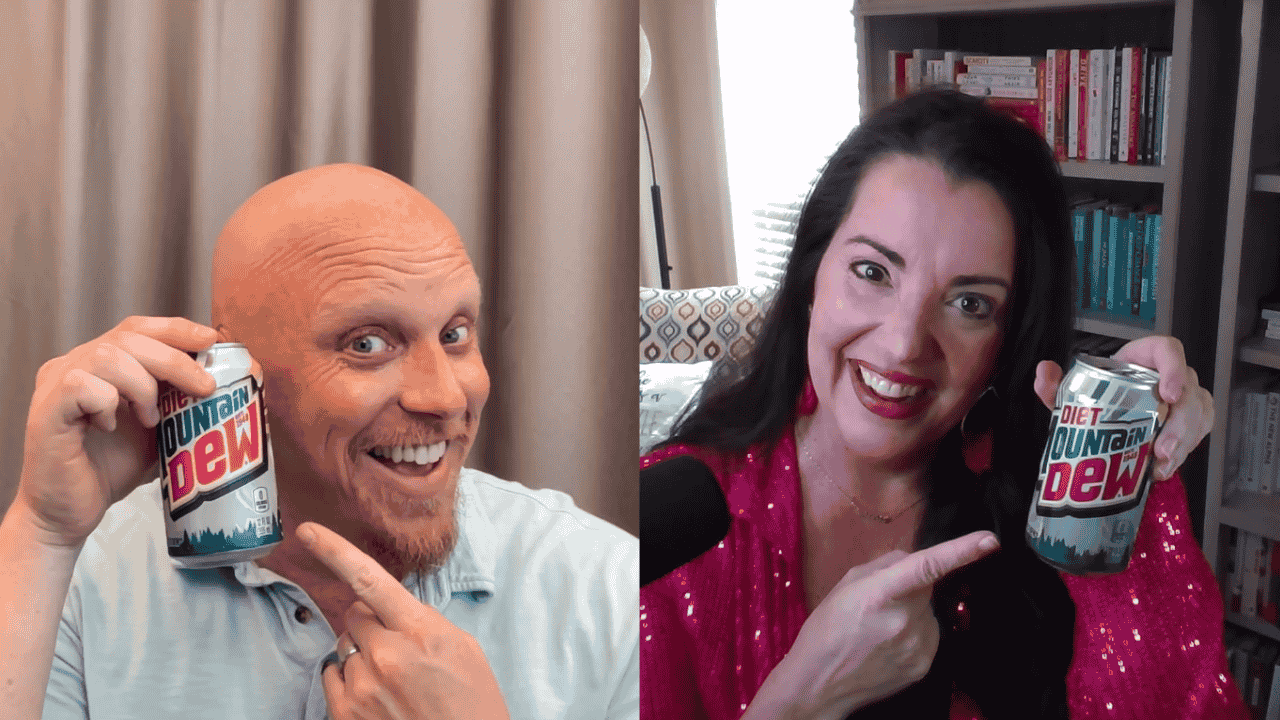
Rosie Ward breaks down how to upgrade your "inner operating system" so you can stop fearing AI and become completely indispensable at work.
If you've been reading the headlines lately, it feels like every day there's a new story about AI taking over jobs and downsizing departments. If that topic gives you anxiety, I want you to hear this episode.
I sat down with Rosie Ward, CEO of Salveo Partners, to talk about how to actually future-proof your career. And spoiler alert: the answer isn't learning how to code or acting more like a machine. It's exactly the opposite. The secret to surviving the AI revolution is doubling down on your humanness.
Rosie and I totally geek out on what makes someone truly indispensable right now. She dropped this incredible concept about how most of us are trying to navigate massive workplace disruption while running on a "10-year-old inner operating system"—a biological response that completely freaks out when change happens. We also dive into the workplace crisis of "anti-mattering" and why skipping the first 30 seconds of genuine human connection in your meetings is destroying your team's performance.
We get super practical, too. I share my "5 Steps of AI" to show you why we're all just going to become AI supervisors, and we break down the critical difference between managing a "process" (which AI will take) and leading a "project" (which AI can't touch). Plus, if you're an introvert? Rosie actually pushes back hard on my theory that managing bots is the perfect job for you to avoid people. It's a great debate, and I love that she called me out on it!
If you want to stop fearing the AI transition and figure out exactly what power skills you need to focus on today to protect your livelihood, this is the conversation you need.
The Video
The Audio/Podcast





References In This Episode
Rosie Ward – Salveo Partners – Rosie's main consulting website and company home focused on rehumanizing workplaces.
Rosie Ward on LinkedIn – Connect with Rosie professionally.
Key Resources:
SalveoPartners.com – Rosie's main hub for consulting, future-proofing organizations, and her speaking resources.
Future Proofing Leadership: Navigating Change and Disruption to Thrive in an Uncertain World – Rosie's brand new book detailing her research on how to navigate the messy human side of change.
Show Up as a Leader – Rosie's podcast, featuring deep-dive conversations and her bite-sized "Rosie in My Pockets" mini-episodes.
The "Inner Operating System" – Rosie’s core concept that our subconscious workplace reactions are governed by faulty biological programming (often developed around age 10) that actively resists change to protect us.
Brian's Resources:
Plan Your Week In Advance – Brian's core philosophy (preached heavily in this episode!) for carving out dedicated time on your calendar for self-development and learning new AI tools before it's too late.
Tools & Techniques:
The Two-Word Check-In – Rosie's technique for starting meetings (e.g., using an "Above the line/below the line" pulse check) to gauge the team's humanity before diving into the agenda.
The 5 Steps of AI Integration – Brian's framework showing how AI actually enters the workplace, moving from basic scripts all the way to agentic AI, proving why we will all become "AI Supervisors."
RACI Matrix – The project management tool mentioned by Rosie (Responsible, Accountable, Consulted, Informed) to clarify communication and avoid stepping on toes during workplace transitions.
Concepts & Frameworks:
Anti-Mattering – The workplace crisis (citing Zach Mercurio's work) where employees feel completely invisible and like nobody cares, which destroys retention and team safety.
Project vs. Process Management – Brian's distinction: AI will easily take over repetitive processes (like monthly billing), but it can never replace the human "cat-herding" and relationship-building required to lead a true project.
The Introvert Myth – The misconception that introverts want to avoid people and would rather just manage bots. Rosie (citing Susan Cain's work) explains it's actually about energy management, and introverts bring essential "quiet power" to team dynamics.
Power Skills vs. Soft Skills – Why authenticity, empathy, learning agility, and ethical decision-making are no longer "soft" fluff, but the absolute indispensable power skills you need to survive AI.
Other Experts Mentioned: Zach Mercurio (Mattering), Susan Cain (The Quiet Revolution), and Brené Brown (Dare to Lead / the importance of self-awareness).
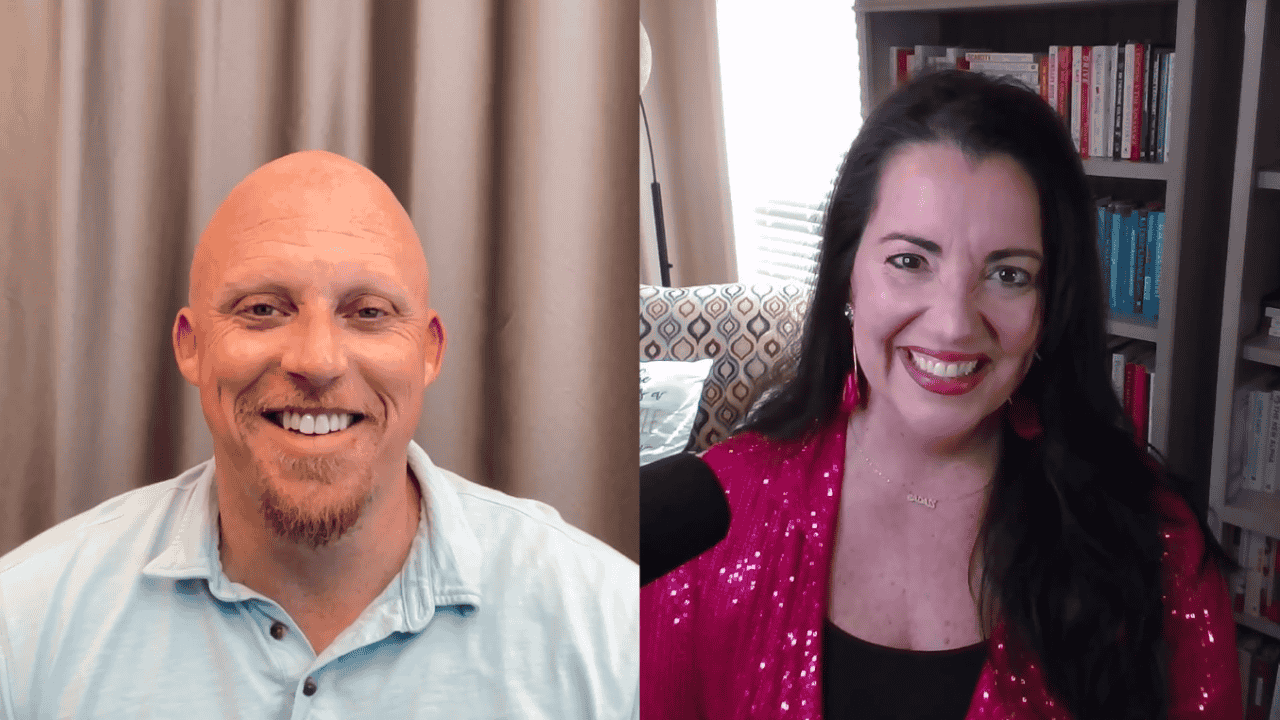
Rosie Ward and Brian Nelson-Palmer
Chapters
00:00 Future Proofing Your Job from AI
04:53 The Human Element in Leadership
08:49 Navigating Change in the Age of AI
13:03 Essential Human Skills for the Future
17:48 Building Connections in a Digital World
22:31 Leading Change and Innovation
26:17 Creating Opportunities in New Markets
33:39 Community Engagement and Organizational Responsibility
35:31 The Human Element in Business Relationships
37:44 Monetizing Non-Sales Functions
40:02 Enhancing Efficiency and Reducing Costs
40:45 Managing Communications in an AI World
44:47 Opportunities for Introverts in AI Management
48:36 Understanding the Human Element in Leadership
52:55 Future-Proofing Teams and Organizations
55:35 Navigating AI Ethics and Regulations
01:01:23 The Importance of Self-Awareness in Leadership
Today’s Guest
Rosie ward
CEO and Founder, Salveo Partners

Rosie Ward is the CEO and founder of Salveo Partners and a fierce advocate for rehumanizing the workplace. She is an energetic thought leader, consultant, coach, and inspirational speaker who focuses on true organizational transformation from the inside out. Rosie is deeply passionate about normalizing the messiness of being human. Her ultimate goal is to help businesses maximize their impact by creating environments that free, fuel, and inspire people to bring their absolute best selves to work—and to their homes—each and every day.
As an award-winning author, dynamic speaker, and podcast host, Rosie has an incredible gift for synthesizing complex ideas about culture, leadership, and behavior change. She consults with organizations of all sizes and industries, coaches leaders to get out of their own way, and develops a growing community of "Paradigm Pioneers." She knows that navigating change and workplace disruption isn't just about implementing new software; it's about addressing the core human experience and helping people step into their greatness.
What sets Rosie apart is her vibrant, compassionate energy and her absolute refusal to dull her sparkle (which also happens to be her favorite color!). When she isn't transforming corporate cultures, you can find her making a soundtrack for any occasion with her favorite P!nk or Bon Jovi tracks, dancing, working out, spending time by the water, or even making her own wine. She truly believes life is too short to waste time pretending to be something we’re not.
Connect with Rosie:
LinkedIn: Rosie Ward
Website: SalveoPartners.com
Podcast: Show Up as a Leader

Why Subscribe To The Email List: Brian shares separate hacks, tips, and actionable learning exclusively for his email subscribers. Sign up so you don’t miss out!
About The Creator/Host: I’m Brian. At age 4, I was diagnosed with insulin dependent (type 1) diabetes and told that my life was going to be 10-20 years shorter than everyone else. As a kid I took time for granted, but now as an adult, time is the most precious thing that I have. After spending a career hands-on in the trenches as a leader at all levels, I now train Productivity Gladiators to level up their careers. Graduates wield superpowers in time management, practical leadership, communication, & productivity. If what you’ve seen here intrigues you, reach out, let’s chat!
“Time is the currency of your life, spend it wisely.”
TRANSCRIPT
Brian Nelson-Palmer (00:06)
I'm Brian Nelson Palmer. On this show, I share personal practical productivity skills that will make you more productive and advance your career. And in this episode, we're talking about future proofing your job from AI. It's the human and productivity skills that make you indispensable. And with me on the show today to talk about that is Rosie Ward, who is the CEO and founder of Salveo Partners. Rosie, thanks so much for joining me on the show.
Rosie Ward (00:34)
It's my pleasure. I love talking about humaneness. So here we go.
Brian Nelson-Palmer (00:37)
Yes,
we're going to nerd out on some humaneness. Let's talk about it. And for people who aren't familiar with you, we're going to talk about future proofing your job from AI and that stuff. What in your background, how are you related to the topic we're going to talk about today?
Rosie Ward (00:52)
Well, our company purpose was founded on rehumanizing workplaces so people can bring their best selves to work and home each day. And from a future proofing standpoint, my new book, Future Proofing Leadership, actually is coming out. And we have dug into many years of researching leaders and looking specifically at where do they want to get better, where do they get in their own way, and what have we learned about the common human experience?
combined with what are all the other experts out there that have way more knowledge than I do looking at in terms of what the workplace needs and what do need to be thinking about to future proof ourselves, future proof our organization. So this is my jam. So here we are.
Brian Nelson-Palmer (01:32)
And
I would imagine the AI coming around at this point back in like what, 22, 2022, I think it rolled out. But that's changed all of this in a way, in some ways, but then not others. So I look forward to, I'm interested in you sharing about some of what your research is saying and also how that's changed with AI
Rosie Ward (01:55)
Yeah, it is.
Brian Nelson-Palmer (01:56)
Now also, what makes you different? There's other people out there who talk about future proofing and leadership and some of the things that you were mentioning. What would you say makes you different or your organization different from all the other people that talk about this?
Rosie Ward (02:08)
That's a good question. think what besides the fact that we're fun and sparkly, no, but sparkle is my favorite color. Hence I'm wearing a sparkly shirt. No. I know.
Brian Nelson-Palmer (02:14)
look at you pink she's if you're
watching the video she is on brand she is sparkly that is cool
Rosie Ward (02:20)
I am very on brand right now. ⁓
But no, seriously, I think what makes us different, and this is what we consistently hear from our clients, is that we get right to the yuck of what gets people in their own way. So we have like this faulty programming that we all have. So call it self-limiting mindset, self-limiting beliefs, we've actually identified what they are. And think about like your interoperating system, speaking of technology and AI.
We all have an interoperating system in our brains, just like our phones and our computers have an interoperating system. And that interoperating system was formed in the first 10 or so years of our lives. And just like if you are running your phone on an outdated iOS that hasn't been upgraded in months and it's going to drop calls, apps are going to crash. you're a computer, if you were tried to run Microsoft 365 on a computer that was still running Windows XP as its operating system,
it's not gonna work. And so if we think about what makes us different is we fundamentally have figured out and cracked the code of how to identify and then upgrade our inner operating system so that all of the tools and tips and tricks that we need to learn can actually stick. Because what we have backwards when it comes to human development is we reach for the stuff that feels tangible, that feels clean, that feels less messy. Like, read this book, listen to this podcast.
you know, use this tip sheet, try this thing. And for some people it works and others it doesn't, or it's short lived and then they snap back to their old ways of doing it. It's because that inner operating system can't support it. So it's like trying to install a really elaborate graphics app and the operating system on your device can't support it. So that's really our niche is looking at future proofing from the lens of if we don't upgrade,
our interoperating systems in a fundamental, sustainable way, all this other stuff you try to layer on top of it is gonna be mediocre or short-lived at best. And I think that's why our clients love us because yes, it's messy, but they're like, we're finally actually making progress. We're finally actually seeing our leadership bench strength level up. We're finally seeing our leaders get out of their own way. Individual clients are like, my God, I've been working on this for years. Yeah, because you tiptoed around it.
you never upgraded that operating system. So there's your long-winded way, but that's the essence of what we do. And I think why we get the results with our clients that they're not getting elsewhere, even though they've hired many other consultants or leadership coaches.
Brian Nelson-Palmer (04:53)
Got it. want to zoom out first. When we're talking about this, I want to pause to say, OK, who are we talking to and what are we talking about? When I first approached Rosie about this and the idea for this episode, it was from the lens of right now in the news, everybody is reading articles about because of a eye we're laying people off.
Like jobs are going away because of AI. just saw something this morning. It was like, you know, the entry level jobs are harder to find because of AI and that kind of stuff. And so for people that are in the workplace now, that's a fear is what if my, what if I'm going to lose my job because of AI? So when the idea went, and then Rosie talks about future-proofing. And so what I really wanted to look at was how do we future-proof ourself against
losing our job to AI. That was my sort of the beginning. But obviously there's more to it than just like, it's not like there's ⁓ a three digit combination to that. And then, ha, we're future-proofed. Like there's going to be more to it than that. but I'm really thinking about to the person who is in a job or who is looking for, or is ⁓ finding a job or looking at a job that AI can do part of. That's what I wanted to talk about. So,
Rosie Ward (05:55)
No.
Brian Nelson-Palmer (06:10)
That was the perspective that I was at Rosie. Anything to add on that before we dive in or does that sound good?
Rosie Ward (06:15)
No, think it sounds good because it's a both and, it's not an either or. And I think the people that are fearing or resisting or pushing back against AI and technology are going to be in a really incredible predicament. And there are limits of where AI stops and we need humanness. And so we need to look at what that both and looks like and figure it out fairly quickly.
because as the rate of technology keeps advancing and that's at an exponential rate, we're finding this gap where people are stuck. So I think it's a perfect place to geek out a little.
Brian Nelson-Palmer (06:56)
Absolutely. And we do, I want to paint a picture real quick. We're going to talk about AI taking jobs. one of the perspectives from the productivity gladiator front, I help people and organizations implement using AI to be more productive. So I spend a lot of time in this space. And one of the things that I think it's a perspective that I haven't shared on the show, but I share pretty frequently. And I want to make sure I kind of want to start with that here's what's here's what's not happening.
Every time you've read in the news, there's been a couple of CEOs when chat GPT first came out. I remember the headlines that said, yeah, we're going to lay everybody off and let AI do that job. And for every one of those news articles that I read, they came back later and said, okay, that was a mistake. We shouldn't have done that because AI isn't the end all be all to just replace all of the jobs. doesn't work that way. So what I want to paint a picture for, for you listening is that
There are five steps to AI. Like you've heard about agentic AI. Maybe you've heard some of these buzzwords where, you know, an AI agent will do part of your job or something like that. I want to kind of paint a picture of what it actually can look like. There's five steps. The first step is writing scripts. You use chat GPT prompt chat GPT for some help. Step two, there's five steps. That's step one. Step two is you use structured prompts and structured prompts are like much longer prompts.
that you use over and over and over again, because they give you the result that you need. So maybe I need to update this spreadsheet from here to here, or I need to process all of this information and find this thing and summarize it and provide this, or provide a meeting or meeting transcripts, or like there's things that you'll do that's a structured prompt that you use over and over again. Step three is a prompt library. So that's where now not only is Brian using that prompt and Rosie's using that prompt,
But now you can use that prompt and your coworkers can use that prompt and you can all take that structured prompt and get that same result and the benefit for everybody. So you're sharing the productivity across your team. Step four is when the prompt runs before the human. So once you've done it enough and you've done it a hundred times, the result has been right every time you've tweaked the prompt enough. Now you could even have it run before you see whatever that is. You could just have the prompt run and you pick it up after.
That would be step four. And then step five is where it runs, where you don't look at it after every time it runs. So maybe that's, that's agentic AI. That's step five. That's where maybe you spot check it and only every three or four responses does a human look at it and double check it. Or maybe in a call center or an email support center, the AI writes the first response. And then if the person replies, the human only steps in in the second response or like that's what it looks like.
And so I paint, I want to paint that picture because if you're listening in fear, the title of this is future proofing against AI taking your job. If that topic is a, is an anxiety producer for you, I want to say that I, I truly believe to the bottom of my soul that we are all going to be AI supervisors. That's where our jobs are going.
I want to calm some of the fear about how all of a sudden everybody, the whole workforce is just going to go away. It's not going to happen that way. Rosie, any thoughts on that?
Rosie Ward (10:18)
Well, I, well,
well, yeah. And I think, you know, whether it's we're supervising AI agents, the reality is, and every single person who uses any kind of AI tool will back this up. AI requires human oversight. It always will. Because AI is limited by the inputs. It's looking at past and existing data. And here's the thing is when you're trying to go somewhere you haven't been before, AI actually
can't really be helpful. can help you synthesize what's existing, but you need to figure out where to go next. That's a human executive reasoning function, of all. Secondly, there's a lot of things that AI is never gonna be able to do that are uniquely human. And so the premise is, yes, start using AI tools for some of the more mundane, repeatable tasks that might be something that someone is currently doing.
But guess what? The premise is that then frees you up for the things that only human beings can do that are still needed. You cannot run a company on AI and robots alone. You need humans. And so if you think like, we can suddenly have this world. I mean, this isn't the Terminator or some, you know, sci-fi movie. We need human beings. And what it hopefully will do is as long as you're developing the people on your teams and developing yourself, it allows you to level up and start to stretch and do things that
We actually need to be done to be future proof because future proofing is not just about technology, but you can't do it right now because you're stuck doing things that a computer or a program can do. And so that's where I go back to it's a both and it's not an either or.
Brian Nelson-Palmer (11:56)
so let's dive into that fear and let's talk about it then. So zooming in then what so Rosie, what are the specific skills that make someone indispensable for from the AI replacement and also from the downsizing decisions and that kind of stuff?
Rosie Ward (12:11)
Yeah, so I have to preface. So I have a PhD and so I'm like a research geek. And so I always go to who else is, you know, saying stuff out there and what can we extrapolate and what did we add to it? And so if you start to look at like last year, GDI did a global forecast of over 10,000 leaders and like 2000 companies. And they said that the future of leadership requires that we have to fundamentally learn how to lead differently. And we need leaders.
who can level up their human-centric leadership skills and create human-centered workplaces. So what do we mean by these human-centric skills? Workday did a survey last year of a whole bunch of people as well, said that 80-something percent of people believe that AI will make human skills even more important. Like the data keeps saying that as the technology and AI increases, our need for human skills that only human beings can do.
is ramping up, it's not going away. And so what the data keeps pointing to is number one, authenticity. A robot is a program, here we go, set response. We are hardwired for human connection. We are hardwired to feel like we are seen and heard and that we matter. And I think what you're seeing, and we could go on a whole other tangent, but there's a lot of data out there that says that we have a crisis of anti-mattering.
If you look at Zach Mercurio and other people's work, and a lot of it is, you we're in our devices, we don't know how to interact with other humans. We're awkward on a good day, let alone when stuff gets tough. And so you start to look at the rate of loneliness that's going up. You especially start to see it generationally. You start to see the skills of how to feel seen and supported on a normal day, let alone when things are tough for people. It's not good. And so we've lost the ability to actually see other people, because our life, we're on our device.
Think about it, when's the last time you were at a grocery store or in line for a plane or in an elevator? The second we have a free moment and things might be awkward where I have to have an interaction with someone, I avoid it by going into my device. So we're always inward and we have lost our ability to actually look out and see other people. And there's this great saying that loneliness isn't about being alone, it's feeling like nobody cares. And only a human being,
can truly foster that sense of mattering and that sense of belonging and connection. Only a human being can form reciprocal relationships. And we do that by showing up authentically, not showing up posturing, not showing up in self-protective mode. We show up by being real, by being vulnerable, all of those things. So the data keeps saying that authenticity is key. Empathy is another.
A machine cannot show you empathy. They can say words, but it's not someone that can actually sit with you, not try to fix you. Again, I see you, I hear you, perspective taking. There are some coaching apps that use AI agents that try to mimic that a little bit, but it's not the same. And then the other is we actually, when we think about the other human-centric skills, it's learning agility and adaptivity. We need to be curious and we need to be able to unlearn and relearn.
and shift our perspective and all of those things, those are all deeply, deeply human skills and ethical decision-making. Well, machines, again, they're just off of programs and inputs. They're not dealing with ethical dilemmas and have to go, hmm, how would I deal with that? This is all stuff that human beings can only do. And the reality is that it's like, okay, yep, a machine can't do that. But because we're so in our devices, we kind of suck at being humans in this space.
Like our ability, we do. We do. And I hate that forever these skills have been referred to as quote unquote soft skills because they're anything but. They're only referred to as soft skills because back in the day when the military was doing training, they had their artillery and weapons training and then they had their communication and leadership training and they needed to distinguish between literally hard like machine metal guns.
Brian Nelson-Palmer (15:48)
You
So true.
Rosie Ward (16:16)
and human soft, not soft less than just two different focuses. But somehow over the years, we coined soft skills, meaning like fluffy or less than or not important, but they are essential skills, they are power skills. And so when we think about, we need to learn how to interact with technology, we need to learn how to use AI effectively. And we have got to also level up our ability to be with other human beings in a way that helps them feel seen.
that fosters connection, fosters communication, helps them feel connected to the organization's purpose. That's something a machine can never do and most of our people have gotten away from it. So there's a big gap in skill sets.
Brian Nelson-Palmer (16:56)
Gosh, huge. Absolutely. The thing you said, anti-mattering. Gosh, yes. Absolutely. You know, that's the thing that came up during COVID. All of a sudden, life balance was a big thing. Because if you work a lot and then you're just at home, it seems like nobody
the loneliness thing, I think that's the, the going to the devices. I love that you mentioned that because that's, that's huge. So it's the people.
Rosie Ward (17:24)
Yeah. Well, I even think,
well, I'd even think about this from a productivity standpoint is, you know, so people that, people that are in an industry where they're either still fully remote or hybrid, cause hybrid work is here to stay. ⁓ and it can still happen for people with in-person work, but let's just talk about hybrid or virtual. is, Hey, we have limited time and we're trying to be respectful of people's time. And we're trying to get as much out of our people as we can.
So let's dive right into an agenda. You have a team meeting, you have a status update meeting, you have a project meeting, and we jump in and it's task, task, task, task, task. What if you take 30 seconds, one minute at the start of every meeting and you check in as a human being first? Like we do a two word check in, two word check in in the chat. How is everyone feeling today? Or we use above the line, below the line. You can do a thumb signal. Thumbs up, I'm below the line, hand flat, I'm right in the line, you know, I'm below the line.
But doing something to get a pulse check before we dive to agenda, let's actually check in on how we're doing. What's the weather forecast with as a team. And if you start to see a lot of tired and overwhelmed and worried, you know, like there's a lot going on in our world. You know what? You might need to care for that because if you don't and you jumped right to the agenda, then people feel completely unseen. They experience anti-matter. And it doesn't mean you have to be a therapist or anything like that, but it's just check in and go, how are you today?
And you know what, if you have a couple people that say, ⁓ I'm nervous and whatnot, you don't have to stop the meeting, but you make a note. And then after the meeting, you say, hey, Brian, I noticed that our check-in, you said this, is there anything I can do to support you today? Right? So you're not hijacking the meeting to, know, but you're also not ignoring the fact that someone's not in a good spot. And I will tell you, take an industry where you are in person. We have a client that's in a...
Brian Nelson-Palmer (19:02)
Yep.
Rosie Ward (19:15)
blue collar industry where safety is huge for them. And they had a rough year with safety last year. And as we unpacked it, we started realizing their managers got away from the practice of just checking in. you above the line or below the line today? And what they started realizing is they just were assuming status quo. And some of the accidents that could have been avoidable were because people were stressed or distracted. And if you would have checked in, you could have either like moved somebody around that day. I mean, there's just so many things where we
In our interest of efficiency and productivity, we lose the humanness, but then it comes back and bites us in the butt.
Brian Nelson-Palmer (19:52)
For sure. It's the checking in with folks is huge. And as a supervisor, by the way, I hope that when you have, I hope you have one-on-ones with your people. And when you do that report right to you. And when you do, I hope that part of that is just.
talking with them, how are you? How's the family? How's life? How's the, I hope it's not just jump straight in. Rosie, I love that you said the example you gave was, get, we're limited on time. Let's just jump right in. Because we're humans. If you want to jump right in, use AI. But until AI takes that job, don't jump right in. They're a human. Like when you, I've used this for years. And if you haven't already acknowledged this Brian thing that I've told you before, please do this.
Please address every email. Don't you ever be the person that when you reply, you just reply and jump right in on your message. Start with, hi person. You acknowledge the person first before you start the message. And that goes deeper when you're in actual human engagements. But getting an email that says, hi Brian, versus getting an email that goes right into, what did you try this? What is this? Especially if you're a manager, don't be that person. Acknowledge the person first before you start the message. It's huge.
Rosie Ward (21:03)
100%.
100%. Well, you'd be amazed at how many managers don't meet with their people because they think they don't have time or they don't know how or the one-on-ones are literally an update that could have been an email, right? Or could have been an automated report. The point of a one-on-one is to actually, I mean, one, it is to foster human connection, help them feel seen, help them be connected to the organization's purpose, help them know they matter.
Brian Nelson-Palmer (21:16)
Yes.
Rosie Ward (21:32)
but it is also a developmental opportunity. So if you're not having these regular conversations of where do you wanna grow, what's going well, where could you be better? And a lot of times one-on-ones become an update of here, let me vomit on you, what's going on, you give me an update. And then the only time we have a developmental type conversation is at your annual performance review. Like that's a missed opportunity. So I also, we could go on a whole other tangent, but I think when you invest time in your people and you figure out like,
could that update be an email or a text or a chat bot or something that becomes an automated process? And that our time for one on one is a time for development is a time for feedback, both ways, you got to be willing to ask for it and receive it as a manager, and is an opportunity for, you know, really nurturing their career. Those are people who are going to stay and are going to give you their best. When you don't and they don't feel like they matter. Those are the people that are actively looking for other jobs.
that are phoning it in, and that's not going to help you at all. Yeah.
Brian Nelson-Palmer (22:35)
Yeah, agreed.
So I made a bunch of notes on I wanted to answer the question because that's the the anxiety is around is AI going to take my job and there are parts of your job that yes, AI is going to take. But how do you know that you're not going to be lost to AI?
First up project management. If now I want to specify the difference between project managers and process managers because oftentimes people think, I'm a project manager because I lead these projects. But if the project is doing the billing every month,
Or if it's a repetitive, if it's a project that's done over and over again in repetition, that becomes a process and process AI can do, but project AI can't do.
Rosie Ward (23:24)
say as someone who is married to a former project manager, I will say, and I think that there's a lot of project management skills that I think managers need to learn, like basic. Like there's a tool in project management that's a racy of who's responsible, accountable, who do you need to consult, who do you need to inform? And I think where a lot of teams bump up against one another is they're not clear of who needs to actually be consulted versus who needs to be informed. And they're all on the same page about that. But I share that because
Brian Nelson-Palmer (23:29)
Nice.
Rosie Ward (23:52)
project management is a little bit like herding cats, because you're really trying to influence, you're trying to move initiatives forward, but you don't have formal authority. I if you're looking at actual the discipline of project management. And I think that with that, there's elements of the process that could be automated and even like, know, status updates and whatnot, but it is influencing through people. It is communication through people. And that isn't going to change with the people doing the work.
Brian Nelson-Palmer (23:57)
Yes.
Rosie Ward (24:20)
So I would just add onto that, that that is one that definitely there is such a human element to it and its relationships and it's where do you push and where do you back off a little bit. And hey, I can push a little harder here. I'm going to escalate it because I'm not getting what I want here, but you have to know the politics and the organization. That is all stuff AI cannot do. So when it comes to facilitating and running projects, I 100 % agree that that is a human skill, for sure.
Brian Nelson-Palmer (24:46)
And then number two is leading change. And I say that because in project management, I hope you start when I when I brought up the difference between project and process. That's where if you've never done it before, that's also leading change, which is the people it's influencing people. It's getting the humans to be. You might be setting up the AI agents to do it automatic to run a process.
but it's the first time you've never done this before. So you are leading change in your organization. So if you're part of a person who's doing things that are new that the organization hasn't done before, or if they ask for volunteers when you're at work, you should volunteer your group for things that we haven't done before because organizations want to move forward and want to advance in with AI, we're going faster than we've ever gone before. We can turn things around faster, make moves faster.
And so if you're part of the movement toward leading change, I that's something that you're you're always they're always going to need project managers, but they're not going to need process managers and the project managers move toward change. So help lead change.
Rosie Ward (25:53)
Okay, so no pun intended, but I'm gonna double click on this. Because this is like, this is my geek out space because when I say that our whole sweet spot is future proofing organizations, we specifically say it's helping leaders and teams navigate change and disruption. And so I wanna spend a little time on here, because here's where people go completely sideways when it comes to change. And I agree, it's a human skill. So.
Brian Nelson-Palmer (25:56)
Yes.
Rosie Ward (26:18)
I don't care what change management methodology you're certified in, ad car, pro-sci, the list goes on and on. Where they fail over and over and over and over again is they fail to care for the messiness of how human beings show up in the face of change. So you figured out this process and you want to roll it out and why aren't people behind it? And this gets into the AI taking my job. So the number one driver of like,
getting stuck in our own way in our organization is fear of irrelevance. And that fear of irrelevance though causes a self-fulfilling prophecy where we end up working ourselves out of a job if we're not willing to lean into something different. But let me just give you an example. So, I mean, I see this all the time. I think we probably get, I don't know, half of our calls in any given year that our people reaching out to us versus, you know, we're getting referred and whatever is, we are going through three system upgrades.
we are gonna be implementing this new process. We're putting in a new HRIS system. We're gonna be a new financial system. We're gonna have a new inventory software. We're going through all these massive system changes and we're freaking out because people are now bickering at each other. They're reactive. Their tensions are high because what we're doing is we're bumping people up against their biology and we're not caring for them. So.
Let me give me a moment to geek out a little bit further. So go back to like that interoperating system. I want to geek out. But I want to geek. But so go back to the interoperating system I talked about. here's here's what we don't realize is that that interoperating system that was formed in those, I'm gonna say 10, some research says it's seven, some research says it's 15. I just use 10 because it's a nice even number. So those first 10 years of our life,
Brian Nelson-Palmer (27:43)
geek, Rosie, please geek for me. I like your geek side. Yes.
Rosie Ward (28:06)
That inner operating system that is running us today is actually the 10-year-old version of ourself, because we made sense of our experiences and our surroundings by making rules, rules of the road. When to speak up, when to be quiet, when we're gonna be accepted, when we're gonna be rejected. And it could be things that happened to us, we observed, whatever it is. anybody who's listening that has kids, like the 10-year-old brain is not that evolved, right?
But it makes sense to us. My 10-year-old brain was not that evolved. When my son was 10, I would not let him like, I wouldn't let him drive a car or whatever. And so I share all this because here's what we don't realize is that our brains are doing their job to protect us. Our brains don't know the difference between an actual physical threat like a wild animal is charging at me or a perceived social threat. I might be judged. I might be rejected. I might have my job replaced. The list goes on and on.
And we are hardwired to be survive for safety. And so the programming that we download that makes up our inner operating system is doing an important job to help us, help us feel in control, to help us find belonging, right? To help us feel safe, but it's doing its job at a cost because it's keeping us from growing, from stretching, from changing. And I share that because that inner operating system creates this
self-protective protective instinct where we do avoid discomfort, where we cling tightly to what is familiar and the more disruptive our world becomes and the more change that we're being asked to lean into is pulling us out of our comfort zone and we're like no no no no no no I don't think so and I think this is such an important realization because the conversations that I have on a day-in day-out basis are full of a ton of judgment well these people just aren't gonna get on
get on board or be done or they're resisting change or they're this or they're that. But I'm a bit of an optimist where I don't feel like most people wake up every day and go, I'm going to be a difficult butt head today. Right? Right? does that? I mean, maybe some people do, but I mean, come on. Most people don't. But here's what happened is I... Yeah.
Brian Nelson-Palmer (30:10)
You
I'm
my gosh. I'm sorry, I'm sorry. Who appeared in your head when she said that? Because
I definitely thought of one person in particular when you're like, they woke up and they said, I'm to be a difficult butt head today. And I thought, this person definitely does this. ⁓ Yes, yes. I agree. I agree. Okay.
Rosie Ward (30:35)
Well, there might be some, but the majority of people don't, right? Let's just assume. So
here's the thing though, is so you're getting up and you're like, I'm gonna have a great day and I know we're implementing this new process or this new procedure or this new whatever it is at work. And then something gets activated and it happens subconsciously where now your brain is in that I've perceived a threat. And so you start clinging tightly to what is familiar.
you're trying to implement change in an organization that is running around with the interoperating systems of 10 year olds. So it's like trying to lead a bunch of 10 year olds and how well does that work? I if you ever watched sports, it's like a swarm of bees, like they don't even know how to have positions at that age. And so I think that that's just a helpful way to ground us because we make up narratives and stories. But the reality is, is if we can help people recognize that it's just their self-protective instincts kicking in and doing their job.
And there's ways that we can actually help them upgrade that interoperating system so the change feels less threatening. So there's ways we can communicate with our teams that helps quiet some of that threat response, that helps it feel like you can see the possibility and feels exciting and feels, it's getting me out of my comfort zone, but I feel safe doing so. And I know my leader has my back. That's a very different place to stand in than you need to do this. And you're just shoving it down the throat and you haven't reconciled your own
challenges with change, your own, you know, interoperating system challenges, and now you're trying to lead others. And so I just, I share all that because I think that from the change management piece, I mean, I keynoted a conference last year all on change management and I'm like, and how many of you are caring for the messy humanness and no one raises their hand? They think we put in the process, that's what AI is really good at. We have all these things. Why don't people just do it? Because human beings are not predictable. They are not robots.
They are messy and they have emotions, but they also have incredible creativity and things that AI can never have. so anyway, so I think that if we're gonna, if we are going to move people through change, definitely AI cannot do that. But this is also where our lacking of human skills and how to lead other human beings in terms of how we show up in the face of change has got to be a key priority if we're gonna future proof ourselves and if we're gonna future proof our teams.
Just 100%.
Brian Nelson-Palmer (33:00)
Yes, absolutely. Change management. We're talking about it. So if you if you at work or your team at work is not involved in any of the new things that are going on in your organization Guys, I hate to break it to you, but there's only going to be more transitions to new systems
That's an opportunity for you to help future proof your job against AI jump in there. That's the one and another one. open new markets or opportunities. You know what AI can't do? It can't create a partnership with another organization. It can't create a partnership between you and the other groups. So you've gotta.
Rosie Ward (33:23)
Yeah. Yep. Yep.
Brian Nelson-Palmer (33:39)
If your if part of your job function can be or you can volunteer to be a part of whether that's you know, I don't know how much your organization does with charity, but guess what? Community isn't going to go away. Humans are not going to stop being in a community in your local community. If your organization isn't involved in the local community wherever you are or your people aren't involved, creating a program or a system so that you can be involved and support the community somehow that you're in.
is going to be something that every organization needs to do more of. And only humans can create those relationships and those partnerships and set up the deals and that kind of stuff. So if you're not and that could be I'm saying that is like a maybe from a volunteer or charity lens. I'm sure some of you, you listening might have heard that as, well, we got a charity arm or something like that. That's true. But we also have other organizations that do what we do and partner with them, partner with.
Rosie Ward (34:18)
Mm-hmm.
Brian Nelson-Palmer (34:37)
There are all those kinds of partnerships or new markets or new business ideas. If you, if you were leading something new that moves the organization forward in a new area that it isn't in, that's awesome. And then even if your job function, part of it can be taken by AI, AI can never set up the new thing. So new markets and opportunities. That's number three.
Rosie Ward (35:01)
Oh, well, 100 % because
again, we are relational beings. you think how often do you have people say, gosh, I'm calling some place and can I just get a human like you're hitting the zero, I want to talk to a human, I want to talk to a human, I want to talk to a human. But you know, what's really interesting is even you know, I do a lot of public speaking and, know, and it's so interesting that you're starting to see conferences and things saying, you know, like they do a AI scrub to see did an actual person fill this out? Or can they tell it's AI language? Or even there's, you know, all this discussion on, you know,
social media, like you can tell if AI did it versus is there actually humaness behind it. And, you know, we do both, we start with AI, but then you use your language and all of those things. Because again, you can just tell. And I think what you're speaking to goes back to as human beings, we want those relationships. And I'm going to be far more likely when I need a service or I need something for my business to reach out to my network that I have relationships with and say, Hey, who do you know, then the gajillion cold outreaches that I get that I
send immediately to my spam folder every single day. I mean, I do. might go the frick away. Like, I don't know you. I am not, you might, I don't even know, you're probably a bot. And if I want something for my business, I am first and foremost going to people I have a relationship with and that is never going to change because the risk of getting scammed and stuff is, goes up and up and up. And I think that those relationships become even more important. 100%.
Brian Nelson-Palmer (36:03)
Exactly. Yes. Yeah.
my God, if you want a fun activity
for every so I I'm pretty active on LinkedIn and I know you are too and you listening probably are if you want a fun activity, the response that I send to every one of the people first of all, if it has you know how if it's in LinkedIn has the in where they pay for LinkedIn, if I get a message from somebody that's in
in there, I know that they're using whatever the sales thing is and that they didn't even look at me. They just want to send me a message and they had to pay to do it. And so my response is please turn your bot off. And it's interesting the responses you get to that because if it's truly a bot and the human never touches it, then the bot comes back and says, thanks so much for getting back to me. And then it goes right into the pitch again. Whereas if it's a human, then they might actually say,
yeah, sorry about that or something, but it's interesting because over the light with AI. my gosh, the number of humans that I'm getting is way, way less because people automated the sales process because they're trying to avoid exactly what we're talking about, which is the human to human connection piece. They want a bot to do it. Please let a bot. my God, that's not going to happen. Stop it. So anyway, side note. OK, so number four, finding ways to make your company money.
Rosie Ward (37:36)
Yeah, yep, yep, yep, yep, yep.
Brian Nelson-Palmer (37:44)
If you are part of the income stream, there are a lot of parts of the business that are money spenders. I worked in procurement. That's all spent. That's all lost. If you're part of the function of the business that does not bring in income, then look for opportunities. Maybe you can bring in income.
if you're making the organization money, organizations do not cut income, or very rarely. Very rarely will they look at money coming in and go, let's do less of that. That doesn't happen. So that's not gonna be a thing. So if you can find a way to make money or be a part of a process,
that makes money for the organization. That is also something that AI is not immediately going to talk. So that'll help future proof.
Rosie Ward (38:28)
Well, and I think in addition to the making money, I think there's something to be said, like you used HR as an example, that is also though, can you find ways to save the organization money and how do you quantify it? So things like if we're reducing, if we're helping work with the leadership to reduce turnover, or if we are reducing the time it takes to fill open positions because we treat our candidates well and it's not a bot. Cause let me tell you the whole, you know,
people this was even years ago of ⁓ I don't even get to interview with a person I have to do a pre-recorded message and send it and like the whole dehumanization of even the hiring process so so you know you think that for this is not just for HR people but you know if you're gonna have a stellar organization that is future-proof you want to think about that from pre-candidate to the whole candidate process to what they're in tenure tenure with you to whether they leave on their own accord or because they retire or they found something else
that they are a champion and an advocate for your organization where they're talking about you out in the marketplace and how great it is to work there, helps your brand reputation, helps your salespeople who are gonna be going out and officially bringing in the money, right? So there's more to think about in terms of can you attract the great talent? Are you out being a champion for the organization and referring great talent in? Are you bringing up ideas of partnerships? Are you bringing up ways of saving money, of doing things safer, doing things more efficiently?
those all I think fall under that bucket. It's not just about thinking about how to bring money in, but how to enhance efficiency and how to prevent losses as well.
Brian Nelson-Palmer (40:02)
Yes, absolutely. And you know, I love that you brought up the example of the interview where you're just sending in videos of yourself. It's funny because the organizations want videos because then they know you're not a bot.
Rosie Ward (40:16)
reciprocal relationships. There we go. Yes. Yeah. Yes. Yes.
Brian Nelson-Palmer (40:17)
Yes. Yes. my gosh. Okay. All
right. That was number four. Number five, managing communications. And what I mean by that is there are obviously AI can do communications. And I gotta be honest, there's a lot of situations where I'm happy for AI to take the first stab at communication. My first career out of college, I worked in tech support and the number of
questions that people had that AI I know can answer is really high. And so I didn't love personally me as the human. didn't love spending my time working on those responses that are duh. The duh responses are insulting to my intelligence as a human. However, if the AI takes a first stab at it and then we still have an issue then
managing communications, especially with external partners or external people, there's always going to be a need to connect to a human for the things that AI can't solve. And so if you're backing it up, we talked earlier about leading change and maybe you're leading change that into implementing AI or something like that. But then you're the support for AI when it screws it up. Guess what? AI isn't going to stop screwing it up anytime soon, for sure. So like
Rosie Ward (41:38)
Yeah. Yeah.
Brian Nelson-Palmer (41:40)
my gosh, if you're managing communications or external communications, or you're representing your company in different things, those are all opportunities where if you're doing that, that's a thing that AI is not, AI can't go to a conference and speak on behalf of your organization. Never going to happen. I'm not going to attend a session where an AI bot gives a keynote ever, ever, ever, ever. No. So just food for thought. Yeah.
Rosie Ward (42:04)
Nope, nope. Well, yeah,
and I think it goes back to you where they want a human. Like, I mean, there's a lot of websites where you're using their virtual assistant and you might be able to get your question answered in Groovy. But when you have something that's complex and you're like, not getting it, you're like, oh, yeah, I just need to call this person or I need to get a hold of somebody because I need to explain it to a human being who can then think and go make some calls and whatnot.
And you're right that when there's a level of complexity and nuancedness or like uniqueness of what we haven't seen this before, those hit the limits of AI. It is great for those standard responses. mean, back in the day before you had AI integrated in your email, I used to have a folder of standard email responses, because they're questions you answer over and over and over, where you would copy paste and then just do some tweaks. Because it's like, I send this email 20 times a week. Why would I keep retyping the same email?
Like that's productivity. that's hello. Like that improves your efficiency, but you have to know when it's unique. Like there was a person speaking of LinkedIn that I was like in the last week or so, and she was talking about, you know, why she, ⁓ like the whole AI thing. And I think she had an out of office reply going back to the bots or something. And it was her out of office reply was that I'm out of the office attending a funeral. And she gets back like, hope your vacation was great. Did you know? And like, clearly you didn't, you know,
So talking about how we'll not interact with that was a bot versus, my gosh, I'm so sorry, know, um, you know, thinking of you, da da da da. I mean, so even ways you can test and there's so much testing going on right now of people trying to go, is this a human being or is this a bot? And when it's a bot, people are, a lot of people are offended or a lot of people it's, it's a, it's like repulsed or whatever the word is. It's like, no, I want a human being and I don't want to be
Brian Nelson-Palmer (43:26)
That was a bot.
Rosie Ward (43:54)
I don't want to just be another person with a bot response. Cause again, goes back to mattering. I want to feel seen, I want to feel heard. want someone that uniquely understands my situation or actually cares about me, not a bot. you're seeing, that's where I go back to the data that keeps saying that as AI increases, people, the need to have those human centric skills is only going to go up because that's how we're wired as a species. It just is.
Brian Nelson-Palmer (44:20)
Gosh, yes, please, please, please. Okay, I'm going to combine number six and number seven because I realized my God, Rosie, you and I can just chat and talk about talking to Rosie about this stuff. let's there's these this last two, I'm dedicating this to my introverts. If you are an introvert listening to this and then all the things that Rosie and I have said have been very people focused. And if you're a real big introvert,
That sounds awful. That sounds like terrifying. That sounds like, my God, all I'm gonna have to do. The only thing left for me to do in my career is speak to humans. I don't know if I wanna work anymore. That's gonna like, okay, this is for you. Two opportunities, managing AI agents and training AI agents. Good news, if you're an introvert, you probably love going back and forth with.
or some of these AI agents because you don't have to interact with the human. You can make typos. You can say wrong things you can and it and it makes you feel like a million bucks every time man. I have totally butchered some things and AI has been like yes, that's a great idea and I've been the one to go back and say no, no, no. That was actually a really bad idea. Go back. Don't do that. So for the introverts.
managing AI agents and training AI agents. You're going to get this in your workplace. They're going to be AI agents coming. And I want you to volunteer for that job. And the reason why is because they're always going to need somebody to manage them.
Rosie Ward (45:52)
So I agree and this is where I'm going to push back on you a bit. asked me to. yes. Yeah. Well, I don't know if it's gonna be drama, but I think that there's a really important distinction and I get oversimplifying and even this is oversimplifying, but there's a myth that people who are introverted actually don't like people, right? And like, oh, I don't want to have to deal with people or that I... And it's really more about where they get their energy. So if I have to be around people,
Brian Nelson-Palmer (45:57)
Okay, bring it on. I told Rosie, I'm like, please disagree with me. Yes, let's get some drama. Okay, let's go. What you got?
Yeah, that's true.
Rosie Ward (46:22)
and I'm an introvert, I need solitude downtime to like get my energy back up to where it needs to be. It's still a core human need to want to connect with other people. So I think that that's an important distinction. The second is people who are introverted, it's more about their internal processing rather than talking out loud. They're going in their head, but here's why I think this is important. So this is going to get into our research, but we identified these core faulty programs that we have that get in our way. Most people are running more than one.
And what I will tell you is there are a couple of them that get in the way of people tending to the people side of things versus task. And so we have leaders in our database and you'd think, well, they're people leaders. They're supposed to do this stuff, but they are actively wanting to get better at the people side of leadership, checking in, relationship building, developing them rather than jumping to tasks. But what gets in their way? Well, one of the cousin programs, the dropout, fear of sounding stupid.
There's another one about people pleaser fear of rejection. So I'm sharing that because a lot of times as I've coached leaders who seem very transactional and very task focused and are just, you know, I don't need to deal with people, but you start to actually look at what their interoperating system is. And that is a really significant coping mechanism that they have created.
that is covering old wounds. And this is not about getting into like psychology and all that, but the reality is, is that a lot of times something they've been burned and they feel like it's just safer if I don't let people in. It's safer if I don't collaborate because I can't be found out. It's safer if I don't do this. So I share all that because my experience and the research that we've done shows that when people are like, nope, again, as a species, we do want other people. And they start to realize,
⁓ it's, this is a coping mechanism that is so deeply ingrained in my inner operating system that I don't even realize it. But when they start to upgrade that inner operating system and realize, no, I actually feel better and feel more connected when I'm around people. Or even if it's one-on-one, it's, it's that I need to honor my energy or I need to replenish my energy. And I just, think that that's super important because I see all the time people are like, ⁓ management would be so easy if I didn't have to deal with people.
Brian Nelson-Palmer (48:26)
Yeah.
Rosie Ward (48:36)
⁓ But when you start to talk to leaders and find out, what is challenging about it? It's that they have their own head trash going on one way, or form about if I let myself interact authentically with someone versus transactionally, then fill in the blank or that I won't be in control. mean, whatever the faulty program is or combination of faulty programs is that they're running. The other thing that I would just say for people who are listening, who truly are more introverted, because I coach a lot of them,
Brian Nelson-Palmer (48:37)
Right.
Rosie Ward (49:05)
If you have not heard of Susan Cain's work, The Quiet Revolution, I recommend her Ted Talk and her book to everybody because her work is really centered around, know, like introverts are actually have this quiet power, but our work world is geared towards extroverts and you can feel swallowed up. And so I think that if you're a manager and you're leading, it's even more reason why you have to check in with people as humans and you have to know who's on your team. Because I know if I have people who are more introverted on my team, they need an agenda ahead of time.
because they need to process so they can come prepared to give their best thinking. Depending on what it is, they might have thoughts they need to give after the meeting. That you have to manage the room so that the extroverts aren't taking up all the space. So this goes back to stuff AI can't do. If you're managing a group of people, you've got to know who's on your team, you got to know what makes them tick, and you've got to be able to create a space where everybody, whether they're introverted or extroverted or anything in between,
can meaningfully contribute and you're not inadvertently having one group feel completely invisible or unseen. So there's my long-winded pushback, but I just think it's such a critical distinction. It's not just, I can manage bots and I don't have to deal with people. There's a whole lot that's behind that. And the reality is we still need to have those human skills. So there we go.
Brian Nelson-Palmer (50:20)
I'm really
glad you pushed back because you're right. When I think back to what I just said, you could take that as you can avoid all human interaction. just because you're an introvert does not mean you avoid people. good call out on that. I appreciate that. And so that's my
Rosie Ward (50:33)
Yeah. Yeah, you know, you're welcome.
Brian Nelson-Palmer (50:36)
Those were my seven things. Now, Rosie, along the lines, like I'm interested in the mistakes or like for managers listening, how can you make your team more indispensable? So they're not just going to cut your whole team. What am I missing so far?
Rosie Ward (50:50)
No, I mean, I think if you think about how do you future proof your teams, I think it gets back to, it's going to be part of that change management part. It's going to be part of really being intentional to communicate and connect the dots of what your team does, how it aligns with the organization's purpose and values and how it helps further whatever the strategic priorities are. When you can intentionally connect that dot and you can consistently say, here's the thread, here's how it ladders up.
and everyone on your team knows how it ladders up, but you also are helping convey your value of this is how we see our us fitting in. Because if people don't see it, it's easier to go, they don't matter. So I think, and that again, is something that only humans can do. McKinsey said, know, the ⁓ CEOs of the future have to be able to actively connect people to purpose and help foster that in them over and over and over. So I think that's something that you can do with your team and have them highly engaged. And then they'd be out looking for opportunities to
innovate, to grow, to do things better, et cetera. And I also think like what we've done on our team, I mean, we're a small business, but we, we do quarterly off sites and at our last off site of last year, we said, okay, where are we using AI well and where do we have missed opportunities? Cause we don't want to get behind the curve. And so we said, okay, we need to make sure that everybody is building in time every single month to
stretch themselves and grow. So whether it's take an online module on this new AI tool or something in chat GPT or something here to just, because if you don't ever do it, it feels really scary and overwhelming. And so if everybody on our team is committing to a couple hours a month of doing and learning and sharing stuff, it feels less scary. And then you're skilling up.
when others around you maybe aren't. And now it's not such a big initiative and from a change management standpoint, it feels a little bit more doable. So I also think like you could just talk about on your team, what are we actively doing to make ourselves more comfortable with these tools? Because the people who can use these tools are also gonna be indispensable because we need people who know how to use these things.
Brian Nelson-Palmer (52:55)
sure. That's the the quote of quotes right there is that AI is not going to take your job. Someone who uses AI to do your job is going to take your job. So start. Absolutely. I like that one. And you know, the one that came to mind, I'll add an eighth one to my to my one before the the the realization that I had, I was talking with a colleague the other day, who is a nurse practitioner, nurse practitioners, right prescriptions.
Rosie Ward (53:05)
Yeah. Yep. Yep. Yep.
Brian Nelson-Palmer (53:23)
AI will never be able to write prescriptions without a human who can write them to double check what that is. And that led me, that's the sort of triggering thought down government regulation and things that are government related. Cause guess what? Regulations for all this stuff are coming by, there's gonna be boatloads of it. And so there is an opportunity.
If you're the one who's in charge of making sure that your function is compliant with whatever is going on with the new regulations that are coming out, every business is always going to need that. And AI can't do that for you because you have to translate regulation to how you do things to whatever. And that's another opportunity there. I just realized, but anything where regulation says it must be a human that does it that's that's or regulation says you must do this.
there's gonna be a human who asks to evaluate, we doing that?
Rosie Ward (54:21)
Well, a hundred percent. And we actually, we have several clients that are professional societies that we do work for and we're facilitating strategic planning. And one of them, they actually, from the strategic planning process, created an AI task force and realized that if we don't get on this and figure out that again, we have to be the translators. So I think that's to your point, it's, we, we are considered the subject matter experts and thought leaders in this particular area. And people come to us for that.
we need to have an opinion or figure out who we're going to partner with to also be that AI translator of what's okay, what's not okay, how do we use it, et cetera. And I think a lot of professional societies are being looked to when, people are like, ⁓ right to your point. And again, that those are only things that humans can do as well.
Brian Nelson-Palmer (55:09)
Boy, AI ethics. There's one. Are you involved in AI ethics? Because there's a thing like it's real easy to just let AI do it. But then who's going to watch the watcher? Who's going to like we have to decide as a society how this is going to work and what is the ethical answer and all of that. We can't just let the businesses all make a lot of money automating everything without like, wait a minute, wait a minute, wait a minute.
Rosie Ward (55:13)
Yeah.
Brian Nelson-Palmer (55:36)
So true. And that's a brand new career that did not exist before that is now in high demand is who's going to create policy around AI. Who's going to do that stuff.
for the person listening, what is the one thing that you hope that if they, what do they do first? Like if they could do one thing from our conversation right now, what do you hope that would be?
Rosie Ward (55:59)
I'm going to say look, look in the mirror and look at your own inner narrative and where there is head trash around yourself as a human being, your proficiency or lack thereof with AI, the narrative you're holding about your worthiness, whether you're replaceable or not, because it really starts there. If you're walking around with a bunch of head trash, it is going to get in your way of taking the next step of whatever that is. And so I would say that would just be the first thing of just like, where, where?
with this? I like comfortable getting uncomfortable with AI? Am I not comfortable? Am I avoiding, you know, becoming a better people leader and those skills because it feels vulnerable and cringy and you know, well, then there's ways to look at that. So I think you just got to look at where you're at. And what is the mindset that you're carrying around all of this? That that has to be a starting point because it's so easy to jump to to do's without that foundation of self awareness. And let me tell you,
I'm going to quote Brene Brown because I was fortunate enough to train with her in 2019. I'm one of her dare to lead facilitators. But she talks about that in this world of AI, that self-awareness has never been more critical. It is an essential skill. And without it, we feel untethered in this world. And so I always go back to self-awareness of start with looking in the mirror, look at yourself, notice where you're feeling triggered, notice where you're feeling uncomfortable, notice what that inner narrative or head trash is.
and then let that be your guide of what do I need to do to get into a spot that will help me move forward versus am I in a spot right now where I feel stuck? Because if you don't have that foundation, you're not tethered. It's like those, you know those car lots that have those floppy, you know, like ⁓ those things in the wind, right? whatever those are, come here, we have a sale. Well, that's the visual that comes to mind. And in this world of AI, it's like a bunch of 10 year olds
Brian Nelson-Palmer (57:44)
Yeah, Kyle, what is it the, the, or the, yeah.
Rosie Ward (57:54)
that are for these floppy car guys running around trying to figure it out versus feeling grounded and clear and centered, you have got to get yourself to a place of being grounded and clear before you get off go. And it doesn't take forever to get there, but if you haven't, yeah, you just have to look, you have to look in the mirror first before you take a next step.
Brian Nelson-Palmer (58:14)
Love it. Absolutely. And I want to yes and you if I was to yes and what you're saying, the yes and here is if anything she said just now to you sounds like true, if you find any of that head trash, one of the things that get in people's way is that they need training on that or they want to, you want to do something about it. It doesn't cost you anything to start doing something about it. And what I mean by that is first,
If you've listened to this show at all, you know that I preach plan your week in advance. my God, this is this thing that people don't do. And I don't understand why plan your week in advance. And one of the things that you plan is time for you to develop yourself. And when you have that time, you can start on YouTube. You can start with podcast episodes. You can start with whatever your platform is. You could read a book, you could do something. But if you want to learn whatever that head trash is or whatever that thing you haven't learned or the AI or the something you
don't need money to start anymore in today's society. So please start as long as you have time and you actually do it and like actually do it. That's a lot of people are like, well, you know, I tried it. And what I tried is actually they spent 15 minutes on a Friday when they suddenly had some time and then it didn't go well. And then they didn't do anything else. I'm like, no, I want you to spend an hour every week for a month.
and try it for four hours and try a bunch of things and then tell me where you got to, not just because that one video you didn't like it after five minutes. Like, my gosh, please. So anyway.
Rosie Ward (59:49)
Yes.
Yes. Well, no, that's right. Like in my podcast, Shameless Plugs show up as a leader, but we have these conversations and we have little mini episodes that come out every other week that are called Rosie in My Pockets that are on some of these things. wrote a with anticipation of the book coming out. We have a whole blog series on LinkedIn that digs into each of the faulty programs and says, like, here's what you can do this week to start the upgrade process and stuff. And that's all in the book as well. So I think you're right. There's a lot of
good free resources, but you have to start somewhere and you have to be willing to look in the mirror. That's the first thing. If you're not willing to get uncomfortable, you're not willing to, like Taylor Swift, know, her song, anti-hero, I'll stare directly at the sun, but never in the mirror. Like you'd rather get your eyes burned out than have to look at yourself, but at some point you gotta look at yourself. So there we are. And there's tools to help you do that. And there's no judgment cause you're human. So.
Brian Nelson-Palmer (1:00:35)
Absolutely.
That's it. And we just found out that Rosie is a Taylor Swift fan. So that just puts the little bow on my episode right there.
Rosie Ward (1:00:44)
a Swifty, but you know, I mean, I
don't know that I'm a Swifty, but I will say that she's grown on me. Like the more I've learned about her as a human being, like I like some of her songs, some of not so much, but like I'm like, I highly respect her as like a human being and an artist. I'm like, okay, all right. So there you go. So I'll quote her. I have no shame. I will quote her. There we go.
Brian Nelson-Palmer (1:00:59)
same.
Same. I love it. That's how I feel about her too. I love that. Anyway, well,
Rosie, ⁓ actually, while we're at you, you, you tease the book. You mentioned it a couple of times. So just state for me, what's the book? When is the approximate release date? Give or take. So depending on when you're hearing this episode, what is the status on that? Say more on that.
Rosie Ward (1:01:21)
Yes.
So the book is Future Proofing Leadership, and it's navigating change and disruption to thrive in an uncertain world. It will be in pre-sales by the time this episode comes out. The official retail release date is June 2nd. So we'll be in pre-sales looking for people to buy it. really, the first, it's three parts. The first part of the book is giving the background on change and our humanness and AI and all of these things.
The second part of the book, there's actually a discovery tool you can take where you learn what your top faulty programs are, but it unpacks the faulty programs that we learned from our research. And then every single chapter of the faulty pro, like you have one chapter on a faulty program, the end has a QR code to a resource page. So talk about free stuff, downloadable worksheets and everything to help you dig in and start the upgrade process. So it's full of a boatload of resources. And then the very last part.
of the book is bringing it all together and saying, okay, how do you take all of this and future proof leadership from two lens? One chapter is all about what it needs to look like organizationally and what are the three parts of that? And then the last chapter is what does that look like in yourself? What are things you can do right now, whether you have the official title or not to start to future proof yourself as a leader. So that's the book. I'm super excited about it. It's our original research getting out into the world and it's work that we've been doing for a long, long time. And so yeah, so go.
Go get the book, order it in pre-sale, retail release is June 2nd.
Brian Nelson-Palmer (1:02:48)
Very cool. Well, Rosie, here's what I love. I love that you've taken this passion of yours and that you've delved into it and now you have an organization and that you do more of this with organizations. And I love that you shared a few minutes to share some of your geekiness and your Taylor Swiftness and your whatever else that we found out about you today. I just, yes, we broke, if you didn't see our little cover photo of this episode, it's what we found out we both drink Diet Mountain Dew, which is just.
Rosie Ward (1:03:06)
And our Diet Mountain Dew, we found out we both are drinking Diet Mountain Dew today. So there we go.
Brian Nelson-Palmer (1:03:17)
Now Rosie's my favorite person and it was just for that and that was in the beginning. anyway, Rosie, thanks for taking the time to chat with us today. And for those folks who want to find out more about you or keep in touch with you, where's the best place for them to go?
Rosie Ward (1:03:29)
I would say go to our LinkedIn, I'm on there, Rosie Ward, ⁓ or if you go to our company website, it'll link over to my personal speaking podcast website, but salveopartners.com, S-A-L-V-E-O partners.com. And it links over to the podcast, it links to everything, but that's where it has all my socials on there too. But yeah, love to stay connected to people and love to help where I can. So thank you for having me. This has been fun.
Brian Nelson-Palmer (1:03:56)
Absolutely. And for you tuning in, please think about someone in your life who you've debated or thought about or worried about AI taking their job or your job and you've talked about them or that kind of stuff. Maybe it's a colleague or a friend or even somebody you haven't talked to in a little while. Whoever just came to mind when I asked you that, would you please share this episode specifically with them? Like the link to this one specifically? Because I know that Rosie and I would love to know that our conversation today helps someone
who needed to hear this. And frankly, we'd love to be the excuse for you to reconnect with them. Since Rosie's all about human connections, that little human thing would be so great. And I know Rosie, you would make her day to be your excuse to do that and connect with that person. And also, if you want more productivity insights beyond just this podcast, my email subscribers get access to everything that I create. So please come and join that email list. If you haven't already, that link will be in the episode notes, along with all the stuff that we talked about today.
But most importantly, I love sharing Productivity Gladiator with you because together these productivity skills are going to change your life. That's a wrap.