Knowledge, hacks, and ideas to level up your personal practical productivity skills.
Andrew Lawless - Your Workload Tripled, What Do You Do?
Your workload just tripled, what do you do? How do you handle it? We delivered more than 41 tips which you can apply right away!
I spoke with Andrew Lawless, a high performance coach, and the founder of The Consultant Profit System. Andrew coaches people to go from $100K to $1Mil a year. That’s a 10x increase in work. Clearly in those circumstances you need to change your processes during that much growth, and he had some great insights!

Your workload just tripled, what do you do? How do you handle it? We tackled more than 41 tips you can apply right away!
Perhaps someone on your team leaves for another job, or someone gets pulled for another project, or maybe a new initiative starts. All the sudden you find yourself with two to three times the work you had before. How does your life balance not take a hit?
Even a 10% increase in workload will warrant looking at some of these tactics. Often people pick up “a little more work” and do things like skip lunch or stay an hour late. It’s the approach of absorbing the extra and continuing to do the same thing you’ve always done, just more of it. Don’t! I urge you to use these tactics for all situations where workload increases over 10% to help maintain your sanity.

Today’s Guest
Andrew Lawless
High Performance Coach
Founder - The Consultant Profit System
Website: teamlawless.com
IG: @andrewlawlessdc
LinkedIn: linkedin.com/in/leadership-and-business-coach
On the show, I speak with Andrew Lawless, a high performance coach, and the founder of The Consultant Profit System. As I was thinking about this show topic, Andrew came to mind because Andrew coaches people to go from $100K to $1Mil a year. That’s a 10x increase in work. Clearly in those circumstances, “What got you here won’t get you there” and you need to change your processes during that much growth, so I thought he would have some great insights as well. I was right!
41 Tips & Tactics To Handle The Overwhelm
We started out looking at this through the lens of an employee. What can you do for yourself to handle a 3x increase in your workload? Here are some recommendations we shared.

For Employees
Most people do not have clarity in terms of what they absolutely have to do right now in order to move a project forward.
Andrew’s Personal Example: My wife and I built a house in Ireland, we’re reviewing the plans and had a two hour discussion about the kitchen. The problem was we didn't even have a building permit at the time, so if we had spent ten minutes on the building permit we would have made more progress than spending two hours discussing the kitchen.
Focus on “the one next thing”. Gary Keller wrote a book called “The One Thing” which is really helpful on this topic. For each project or effort you’ve now added to your plate, “what’s the one thing that I need to do next to move this effort forward”
Have the discipline to be focused on the work at hand, don’t let yourself get distracted by shiny objects.
Andrew’s Personal Example: I started doing research on the topic on YouTube but I ended up watching Bruce Springsteen videos for half an hour.
You can use tools to help with focus
Distraction Free Youtube - No recommended videos appear, just the ONE you’re watching.
Freedom - Blocks all distractions across all devices, currently one of the market leaders in this area.
Mark your calendar for “Focus Blocks” - 25 to 50 minute periods. They’ve sometimes called these “tomato” or “pomodoro” timers. These are windows of time for total focus with the brain breaks in between.
I use focus music during these times. I’m actually listening to it right now as I write this.
Search for and use ESM (electronic study music) playlists.
Avoid getting stuck in email. Batch process it at certain points during your day, but don’t get stuck in your inbox. Most job descriptions do not include statements like “respond to all emails within 1 hour”. Handling your email is a part of your job, but prioritize it accordingly.
A suggestion is to just have 2-4 time slots during the day for email, keep it closed at all other times.
'Email Inbox To 0' Hacks: Cut Email Down To Minutes-A-Day Through Batching And Notification Changes
'Email Inbox To 0' Hacks: 4d Approach To Processing Your Inbox
Email Management Hacks: Deep Dive On Snoozing Emails To Come Back Later
Email Management Hacks: 2 Email Rules To Cut Your Inbox Down By More Than Half
If you are not imperative to a meeting, ask for it to be recorded. Listen to the recording at 2x or even 3x speed. 60 minutes turns into just 20-30, and you can skip through the roll call and other less pertinent parts.
Collaborate with your boss on prioritization. You’ll want their agreement on which/what you should do first and what drops.
Remember, everything is not an emergency. If there’s no blood, and someone isn’t dying, it’s not a genuine emergency, so make sure you and everyone take a breath and keep perspective.
Start asking about deadlines. Are those dates “nice to have it by” dates or “need to have it by dates”. Don’t add stress working under the “nice to haves”.
Volunteer to write Guides and Standard Operating Procedures (SOPs) on some of the work that you’re doing.
If your boss can get help, maybe a temp, maybe a part-time employee, they’re going to need to do the work, so having that SOP or instruction will mean they can get started right away with little training.
Self-Check Tactic from Andrew: “The first question I ask my clients is to open your calendar for me so I can look at it. If I cannot extract what exactly their priorities are by looking at their calendar, then there's a problem.”

For Front-Line Supervisors & Managers
Now for front-line supervisors and managers, besides all the above recommendations, we added on these specifically for those who are managing others.
Remove yourself from the production of the team underneath you. Your job is to work on improving the boat, not rowing it. You want to support and pitch in, but if you maintain some of the work AND have to be the manager, then you will not have time to help develop and improve the team. In the long run, this will keep you and your team stagnant instead of continuing to get better.
Andrew: “The number one reason that I'm seeing is that individual team members are assigned tasks that require them to work ‘against their grain’. For example, I am a “short cutter” so if you want me to find a shortcut to get things done, I'm your guy. If you want me to follow a procedure and be meticulous about it, I am not your guy. I will be your biggest nightmare or it will take me longer.”
Play to your team member’s strengths more than trying to develop their weaknesses.
Kolbe-a and Kolbe-B tests are a great resource (the best one in Andrew’s opinion) to find the overlap of skills and strengths between employees and managers and help with team dynamics.
Remember to manage the energy of your team. Most managers spend all their time policing and chasing after the low performers and the low energy portion of the team. Instead, support the high-performers and bring the same energy to them that they’re producing.
If it’s an internal promotion that brought you to your current management position, don’t bring your old job with you. Make sure you prioritize your transition of your roles. Sticking around doing your old job AND your new job at the same time isn’t going to do anyone any favors. Both jobs and both teams will ultimately suffer. That’s a lose-lose and isn’t sustainable. Make that as short as possible. Be clear on that with supervisors and management.
Immediately notice all the places where you’re the bottleneck in a project or process. What are all the places your team is “waiting on you”? Prioritize those as the first places to improve processes. Make sure you “get out of the way” of the work that needs to be done.
Don’t get stuck thinking you either need a new full-time employee or nothing. There are many in-between solutions that can work. Whatever the most low-level and redundant work is that your team is performing, have them write SOPs for that first, and ask for contract or temp support. You can even hire virtual support inexpensively for all work that’s not in person. For virtual temporary help, no hiring process is required. Virtual help can start right away, as long as the work you need them to do is clearly defined.
What about personally, not just work?
We also discussed what you need to remember for yourself personally, outside of work. When the volume of work picks up, what do you need to do?
You need to remember to defend your personal life. That means when you sign off, even if you stayed two hours later, you're off. Don’t go back and do more later. Engage with your kids, your family, your friends, and you’re still taking care of your health. You need to “turn off” and just “be you”.
Andrew shared an exercise that he says has saved marriages is to take a moment to mark your transitions throughout the day. In between each meeting, or before you walk in the door at the end of the day, take several slow deep breaths and then ask yourself “ how do i need to show up as the best [partner, parent, boss, etc] in the history of the universe.” Reflect for a moment, then proceed.
If things are so crazy that you’re buying lunch for everyone to work through, spend the money to buy a GOOD HEALTHY lunch. Don’t take “the easy way” and buy everyone pizza. Pizza or other heavy carbs will kill the productivity of your team. Order good nutritious stuff, with vegetables and proteins and good food
Fitness is going to be super important, all that stress gets released through fitness. Make it your JOB to get your 3 workouts in a week. Even if the only mental bandwidth you have is to just show up to fitness classes, or take an aggressive 30 minute walk, mark your calendar for those and make sure you go.
Sleep! Mark your bedtime on the calendar if you need to. You need your rest if you’re going to operate under these busy times at work.
Drink a lot of water. Dehydration shows itself as tiredness. Especially if you are over fifty.
The Eisenhower Matrix - If there’s too many tasks, for you or your team, visually organizing them on this matrix is really helpful to know where to target your effort. Here’s a Youtube video which helps explain the Eisenhower matrix and how to use it.
Andrew’s Offer
Andrew also offered all followers of the show free access to his “Influence Booster” and a free session to chat with him. I’d encourage you to check it out!
Download: Influence Booster Training and worksheet (Be instantly more influential with your client teams and project stakeholders): https://accelerate.teamlawless.com/the-influencebooster
Video
The Audio/Podcast

About The Creator/Host: I’m Brian. At age 4, I was diagnosed with insulin dependent (type 1) diabetes and told that my life was going to be 10-20 years shorter than everyone else. As a kid I took time for granted, but now as an adult, time is the most precious thing that I have. I created Productivity Gladiator because I saw what a difference it made for employees to improve their productivity, improve their life balance, and live their best life right now, today, not wait until retirement. Thanks for checking out Productivity Gladiator! Time is the currency of your life, spend it wisely.
Episode Transcript
00:00
Productivity Gladiator
00:06
Hey, I'm Brian Nelson Palmer. This productivity gladiator is about work-life balance and personal productivity. Today, I want to talk about what do you do when your workload triples? You may have experienced this maybe as an employee or a manager. Someone leaves for a job, another job or a job assignment, or maybe some new initiative starts, and all of a sudden you find yourself with two to three times the work you had before. So I want to talk about what you can do to help manage that overwhelm.
00:35
in the scheme of work-life balance. That's our topic for today. And with me on the show today is Andrew Lawless. He's a high-performance coach and the founder of the Consultant Profit System. The thing that connected, that I really thought about Andrew as I was thinking about the show topic, because one of Andrew's topics that I've learned over the years is he's really, he's about taking people from $100,000 a year to a million dollars a year. And it's that 10x the performance. And so,
01:05
I wanted to, I thought, man, Andrew would be the perfect guy to talk about this topic, because this is what it's about, is if you're going to go from 100,000 to a million, well, that's going to require double, triple, 10 times the workload too. So I thought, man, Andrew would be great for this. So with me is Andrew's on the show here with me today. Thanks for being here, Andrew. Hey, super. You know, thank you very much and thank you for that generous introduction. And it's my honor to be here. Absolutely. So let's talk about it. I want to kind of start with.
01:33
the lens of an employee, right? You've got an employee and you're going to work, you're doing your job and all of a sudden your workload doubles or even triples really. What do you do? Andrew, what comes to mind for you when that happens? What would you say? When that number one, I mean the reason why you feel that overwhelmed in general is because most people do not have clarity. Clarity in terms of what do we absolutely have to do right now?
02:03
in order to move a project forward versus what do we want to do or what is cool to be doing or where's our pet project, right? So, give an example with my wife and me when we bought a, we built a house in Ireland, right? So, once you get from the architect, you get the architecture blueprints and we looked at it and then eventually found the kitchen. And she and I had a...
02:28
really good conversation about like two hours or two hours, like what do you want the kitchen to look like? Yes. And which is meaningful, like where was the oven and the stove and this sink and the fridge and so on. The problem was we didn't even have a building permission at the time. Right. So if we only had spent 10 minutes on the building permission, we would have made more progress in that two hour conversation. So now look at your meetings, look at all the activities that you're doing.
02:56
And please hear what is it that I must do no matter what to move a project? Andrew, it's so funny you say that because one of the notes that I had to myself that I that I had for myself that I wanted to share is focusing on. I call it the one thing. And it seems kind of similar to what you're saying. There's actually a book. I think it's by Gary Keller called The One Thing. I read that book and the book is all about it's kind of like clarity, but is what is the one thing that I need to do next? So if you've got double or triple the amount of things you need to do, if you're clear on what is the one thing.
03:26
that you've got to do next on each of these projects or initiatives or whatever the workload that allows that focus right all right what is happening it's the one thing for this and the one thing in this one and the one thing in that one and say like i love it we're almost speaking the same language i call it the one thing you call it clarity perfect i love i like it cool yeah what else uh anything else comes to mind for for this well the first is the absolute clarity on what
03:56
to be focused and blend out every distraction, including shiny objects. Yes. And it's hard right now, especially when you work from home and you have kids around and now they're off school or you have ailing parents or you have other things going on. But most people get distracted by shiny objects. Okay. Right.
04:20
Yeah, so like, hey, I would like to do this or no, I did research. I started researching the topic on on YouTube. Yes. And then I found myself watching Springsteen videos for like half an hour. So, so that's to blend out all the distractions, including shiny objects. Uh, it's super important. Absolutely. There's some people talk about, they call it the, uh, like focus mode or something, or you can.
04:45
There's even, I know there's actually, I'll try to, I'll put a, I'll drop a link in the, in the episode for this, but I did a write-up on some of the, there's tools to like block out social media or I love it. YouTube, especially they have a browser extension that will eliminate all those recommended videos on the side so that you will search for something and you only watch that. And then there's no recommended videos to get lost in. Just exactly what you were saying. That's so funny. But the app is called Freedom that I'm using.
05:15
and you have no opportunity whatsoever to to to disable it. But it's but it's active or go online and go to YouTube or Facebook or Twitter or wherever you go. Absolutely. Cool clarity that. Yep, exactly. That focus time is good. And actually, you know, speaking to the focus time, one of the other things I wanted to share with folks was was about the it's called. Well, focus time, really, it has to do with they call it's focused.
05:44
for 25 minutes or 50 minutes at a time. Sometimes they call it a tomato timer. They have different names for this that I've heard, but the essential idea is that you focus in for a certain amount of time. So you lock in your calendar for 25 minutes or 50 minutes. And my favorite one is I have specific focus playlists that I put on too. So I close all the other windows, the phones closed. And then I also have, especially like at work, if there's big projects or something, your job is an email.
06:11
your job when they hired you, your job description wasn't to respond to email. It was to do something else or so having that focus time. I have specific playlists that are actually folk that are designed to help you focus. So there's no words. It's very much like a certain music or something that and the music changes after a certain amount of time, which goes with I'll share a link to this in the in the show notes for this, too, but it's awesome.
06:37
Yeah, I have that on Spotify. If you go on Spotify and look for ESM, electronic study music. ESM. Oh, I like that. ESM, electronic study music. Yeah, that's awesome. And you said the right thing. Email. If there's one, there are two productivity suckers, right? One is email. If you want to kill your productivity, just go to an email inbox. Right. Yes. Yep.
07:06
A, you find most of the emails in there, you are on somebody's CC list or BCC list, you don't even know why you're on it. You are on somebody's mailing list that is not relevant to what you have to do right now. All of that takes time and it drags you down. My suggestion for everyone is just have two slots, one in the morning, one in the late afternoon where you check emails.
07:36
Right. And if it's really important, they find you anyway. Right. Absolutely. That that's exactly how it works. Call you the drive by your house, right? They come to your office, whatever. They find you anyway. So stop email. Number two, meetings. So if every meeting that look at have you ever wondered why meetings take exactly an hour? Because that's how much time you give them. Right. There's no reason. Yeah. That's the whole reason for it.
08:04
And most meetings that we are in are either not relevant to us. Have you ever, like when you're in the corporate world, have you ever sat in a meeting and you realized, I have no need to contribute. Nothing to say, nothing to learn. What am I doing here? So leave. All you got to do is get up, take your stuff and say, we've got to be somewhere.
08:26
And you've got to be somewhere even if it's a bathroom. Exactly. You just leave. Oh, or tagging on. I love that we're like, yes. And in each other right now, like this is, oh yes. And one of my other favorite ones to do is, you know, there it's, it's funny. They say that you, they invite you to this meeting and you need to be in this meeting, but there are people who are out on vacation. And so oftentimes they will record the meeting. And if there is a recording and you're like,
08:53
you have two meetings that you need to be to, or maybe you don't, but you've got so much going on and they'll record that meeting. One of my favorite things to do is take that recording and then watch it. You can watch it or listen to it on two times or even three times speed because you know, they, they just sometimes in the meetings, they wish they could go faster or something like that. And so in this case, if you have two meetings the afternoon, you get the recording and then you play it on two times speed.
09:19
and you get all the information from an hour meeting in 30 minutes. Like that's one of my, oh my gosh, I love it when they record meetings because then, oh my gosh, if the meeting's being recorded, I can do something else. I can listen to it on two times speed or I can get one of those other projects that I need to do done and then tune into this in half the time, which, oh my God, that's my own little hack here that I love that one. We could just ask for minutes, right? Or if you actually have either for one portion of it, ask the meeting organizer.
09:48
if they can move that up so that you can be the first speaker when you're done. Exactly, yeah. If you kill meetings and if you kill emails, you already have one half a week back. That's gonna help you for sure. Yeah, one of the other, I was making notes for myself on, oh, what would I wanna share on this from a productivity gladiator perspective? A couple of things, one, if you got two times or three times the workload, you're gonna need to work with your boss.
10:18
on priorities because the answer, one of the, one of the things that I, I, I, that came to mind is, you know, if you get a 10% increase in work, like let's say you have 10 projects and now you've got 11, one of the things, especially with COVID or with virtual or whatever it is, like things that came up, people's habit is to tend to do the same thing they were doing and just do an extra hour.
10:43
because it's 10% more. So you don't change anything, you just add that little bit more to the top of all the stuff you were doing. And one of the lines that I hope people recognize is if the workload changes by more than 10%, oftentimes it's time to reshuffle, or it's time to change, or it's time to delegate something, or it's time, you might need to work some things around, because oftentimes businesses will look at it and they'll go, all right, well, they're just gonna keep loading until something breaks.
11:13
And so that's where I want to make sure that people recognize that like, hey, you need to prioritize the prioritization or pardon me, the prioritization on on this stuff is super important. So and that works with your boss. You're going to want your boss to delegate, because one of the other things that I can share is if if that happens, sometimes it's possible to write an SOP or something that you're doing. Some of the work that you're doing could be done by other people.
11:43
And so if you take the time to write an SOP document, maybe there's bandwidth to hire a temp or hire a person to come in. And when that person comes in, they're gonna need that SOP so that they can pick up. You're not gonna need to train them for days and days on something that's going on. And so that, but all of that will be collaboration with the boss and that piece. So make sure that you're prioritizing, right? That's a big one. 100% of that collaboration. I think what was very important that you said is that
12:12
We are all good and eager to pick up new work. We are not so good at letting go. Yes. So we pile on, we pile on, we will pile on. And then we wonder that we have too much to do. So when that happens, what you can always do is like go to your superior and say, boss or manager and say, you know what? Look, I have these tasks that I'm already doing. You're adding like these five to it.
12:41
I only have so many hours in a day, help me prioritize one here, right? So which ones are the, which one is the more, which are precious and which projects are expendable and let them make the decision, you know? That collaboration is such an important piece to it, right? And the other thing that I was thinking about is, oh my gosh, everything is not an emergency. If somebody's not bleeding,
13:09
where nobody's going to die, there's no life threatening situations. If there's 10 projects, then you have to make the decision on it's that prioritization and figuring out what happens if there's too much. And so that collaboration with your boss. Deadlines, deadlines are all arbitrary. There's very often no rhyme or reason, you know, why there is a deadline. Somebody made that up and most deadlines can be negotiated and, you know,
13:38
I would always ask, what is the reason for the deadline? And sometimes, let's say marketing campaign that you're managing, they don't need all of the material on the deadline, right? So they need some of them on the deadline, and then the majority of the other work can be staggered afterwards. But we just take a deadline for granted, even if there's consultants, yes, when clients come to us and say, hey, now we have a deadline.
14:08
Why is that? Tell me about that, right? There's there's some like I know in the government, there is one deadline that doesn't change and that's the end of the fiscal year that September 30th. That's it. Yes. The money runs out. Appropriations are done. Like I know that that one is true. However, on most other projects, there is an opportunity to change some of those deadlines or what? What is the reason behind the deadline? Is it just because the boss's boss said, Hey, I need this by this date or is there a, you know, that
14:35
The critical path for project managers is something, all right, is this a critical path? And then what is that critical path? Or if this is just, you know, Tari, you're exactly right. Deadlines are asked about those. So. I would say all of that can happen. And there are always legitimate reasons for stress. And sometimes we just got to grow all of our sleeves and go into military mode. So, you know, it's like there's no solution. We cannot delegate, we cannot dump it. You know, we have no other resources. We got to do it. And we may have even.
15:04
pull an all-nighter, which I'm not recommending, but then you do what you said earlier. What's the next step? Exactly. Yes, when you're military mode for me is like, let's go that one step, and then we'll see what's next and you get through it. But in most of the cases, I mean, just extreme cases, in most of the cases, for example, my clients, the first question I ask them when I start working with them, they say,
15:31
Open your calendar as either Google Calendar or online or written in a hard paper format. Guide me through your calendar. And if I cannot extract what exactly they're working on, what their priorities are, there's a problem. Yes. And that's true for most of us when we're starting out. Look at your calendar. If a third person cannot extract what's important to you right now, then you have a lot of stuff in there that can be...
16:00
that can be thrown out. And the other thing that I wanted to build up on that you said is the constant re-energizing, right? So what we're doing is we are waking up in the morning, go to the office, switch off the computer, right? And then we look at emails and energy fucked up, right? Then we sit in front of our monitors all day.
16:25
Every 50 minutes, get up, do some exercise, do some vinyasa, breathe, and get energy back into your body so that you're refreshed. Sleep eight hours a day. We know that if you haven't slept enough, your productivity the next day, you're basically going through the day half drunk and your productivity will decrease by 30%. You do yourself a disservice by saying, I've got to plow through here.
16:55
without taking a break. We're not at war, right? So we can take a break. So take every 10 minutes, take a break, walk around the block and drink a lot of water. Right here. Yeah, water. It's important. Yes. So true. And you and I, we both have type 1 diabetes. And as you know, when you have type 1 diabetes, you think about your blood sugar levels like every minute.
17:24
Right. So when other people say, Hey, let's go to this and go that we go like, Okay, I need to first I need to get my insulin and I get my blood sugar, I need to have sugar pills with me. And you know, I need to make sure that it's not that my insulin doesn't heat up and plan all of that. Yes. And still get things done this at the same pace and everybody else. So people like you and I, I'm not surprised that you are a productivity gladiator, because people like you and I, without that ability, we would not
17:54
be where we are right now because we are a little bit disadvantaged. It's thinking about those extra pieces, right? Those extra steps. You're exactly right. And the world doesn't stop just because you have something going on and vice versa. You know, I'd even flip that on its head and say that the work is not going to stop because you have something going on. So one of the things that's important, you know, one of I want to flip the script now. Andrew, let's talk about we were talking about employees, and I think we had a lot of really good.
18:23
nuggets that we shared there that employees can do offer to write that SOP, all those ideas that you had, those were good. I let's flip it now. Managers, if the workload now you're in charge of a team or a group or something and the workload for your group doubles or triples, what thoughts come to mind for you? Like, what do you share coaching and stuff with your clients? Now you've gone from 100 to 300 or 400 K. And what what thoughts?
18:53
come to mind? So there's a lot of reasons, there are a lot of reasons for burnout, right? So the number one reason that I'm seeing is that team, individual team members have been assigned tasks that requires them to work against their grade, right? So for example, I am a shortcutter, right? So if you want me, if you need to find a shortcut to get things done, I'm your guy, yes?
19:21
If you want me to follow procedure and be meticulous about it, I'm not the guy you want to work with. I would be your biggest nightmare. Or it will take me longer. I would struggle. I'm more mistake prone and it drains me out. So a lot of productivity issues derive from...
19:48
not understanding your team members' unique ability. That's what we call it. We all have a unique ability in how we work. So either the task that's been assigned is not working or the strength match between the manager and the employee is out of sync. I would highly recommend and I've made no money with that. There's an assessment called Call BA.
20:15
and the first thing I would do, I would go to colby.com, k-o-l-b-e.com, and have my team take, it costs like $55 per team members, have my team take a Colby A assessment, and then you can have, after that you can call Colby, and they will provide a Colby profile for you that will tell you exactly where the burnout in the team happens and which team members are.
20:44
at stake, there's an entire process there. And there's no better process than do that. If you want to invest in your team, that's the one exercise. I have rolled it out in Fortune 10 companies actually, entire vice presidencies that made like a huge difference in people. It's not that expensive. Yeah, Kolbe, K-O-L-B-E you said, right? Okay. I'll drop a link in the notes. And what it does is that...
21:11
There are three reasons why your team members are burning out and are not operating at the highest level that they could, because you drain them out with tasks. A, you give them tasks for which they do not have sufficient knowledge. Yeah, it's easy to fix. Yes. That's like one training and so on. But the second is that I hate the task. And third is, it's on a cognitive level. They, their natural talents, or the task requires them against to work against their grain.
21:41
And that's when they're not, when they're not, that's the, the best advice that I can give you. And most teams, when I work with them, they will tell me that the day they took the call BA index was the most liberating day in their life. Interesting. Okay. All right. Let's go put one out. Yeah. Number two, as a manager, there's, there's two things that you, that you're responsible for. A, you've got to co-create the work with your team.
22:10
Most managers, they try to figure it out themselves, and then they're dumping it over the team. But when the team co-creates, they own it with you. But yeah, and second is, and it's so often forgotten, your job outside of that, it's not measuring KPI, it's not measuring how many hours have somebody worked. That is not measuring output. It is managing the quality of the energy in your team.
22:39
that you need in order to perform. And if the energy is low, right? If the energy is low, you can do whatever you want, then the team is just not gonna perform. And most managers do not manage deliberately the energy of the teams. They let underperformers underperform, right? They spend most of their time with underperformers rather than with the overperformers. And the overperformers go there, huh?
23:09
I'm busting my butt here, but my boss is spending all of his time with these guys. Right? So managing your energy is so important. Learn how to manage your team. Infuse energy in your team that the team needs to perform. And everybody who does not contribute to the energy and is an energy sucker either needs to be called out or go if you have the ability. That makes a lot of sense.
23:38
Let them go. The energy. I love what you said there about energy, because that's you're right. There it oftentimes you find yourself dealing with the under performers or the your energy goes to trying to push along the slowest piece and making sure that you're giving the energy where the energy is coming from is different. That's a different paradigm. I like that a lot. I also.
24:05
I very much think, as I was thinking about this, I was like, okay, well, a couple of things that I would say, one for managers, you can't do it all. One of the things that I've seen managers tend to do, and this goes to that, even if the workload ups 10%, if a manager gets a new position, you get promoted inside the company, now you're taking on another role, you've stepped up and out of this one, but people will then still help out the other.
24:32
team or they were helping with this and you can't that's not. That's not healthy for you because now you're doing two jobs and it's just like we were talking about where all just do two jobs like people solution. If there's one extra project or you're taking on that as just, oh, well I'll work, you know, I'll work over my lunch break and I'll work, you know, a little bit, an extra at the end of the day. And at the end of the week, that's 10, 15 hours.
25:01
that you're doing, but the work's never going to end. So you looking at the idea is, all right, if the work was going to, if the work, instead of just one project, what if it was 10 projects? How would I treat this differently? And thinking about that will help keep your head on straight for like all the things we talked about before, but for managers, especially now you're managing to your team. Well, you've got to keep your team performing too. So delegation.
25:31
is key, empowering the people that you know that can do it. If you have a lot of single, uh, single bodies on the team. And when I say single bodies, what I'm driving at is if you have people where they're the only person who does that one thing, then you create situations where they have to be there. If they go on vacation, everything stops and that doesn't work. So you want to create delegation. It's that we talked about, I talked about outlining or SOPs earlier.
25:59
working with your team to have that outlined so that if someone wants to go on vacation, you gotta support your team and their vacations and their life, right? They wanna go do something that's important. So make sure that you're doing a good job of documenting the work and the processes and what needs to happen, where are we, so that you're not reliant on one person. It's not those single, the bottleneck.
26:27
avoid those bottlenecks if you can, and standardize the work so that, you know, get another person involved if you can. And I know sometimes that's not possible, but also as a manager, you've got to be going up, looking up above you going, we need resources. Like you can't, you, you as the manager are the one that's going to find the resources. And maybe if it's private sector or wherever you are, if you're in a for-profit or a nonprofit or something, you don't necessarily have to hire, you don't need a new full-time person.
26:57
Often times you go and you ask for that and they're just like, well, no, we can't afford to hire anybody right now. Well, if you have an SOP or some kind of standard operating procedure or some kind of document that here is the project that I need done and let me go hire a temp and I've done a good job, I need help with this part of all the work that we've got going on right now. And it's written down, so give me a temporary person. You gave me two to three times more work.
27:25
So when you give me resources, here's what I need them for. I need this for this person. I need this person to do this. And even if they're not permanent full-time employees, you can hire part-times, you can hire temps, you can hire virtual teams from other parts of the world. There are resources out there to help you if you can standardize that work and you know exactly what they need to do. Make sure you're delegating some of that stuff down and writing that down. There's power there. So look for those solutions, even if it's not another full-time employee. And...
27:54
And I would say, as any manager, especially when you get promoted or you have a new job, the first question that you ask yourself is, how can I make myself redundant? So true. Right? So that means you need to be focused on building a self-running team. And that means to empower them, that means that you infuse the energy into the team and you remove yourself as much as you can.
28:24
SPS and all of that is all good. But everybody who has children knows that children, let me say it, your team members are like your five-year-old children. And I mean that with respect, yes? Because if you have your children, never ever listen to you. They don't remember what you said, yes? But they always observe you.
28:52
Right. You can say, you can say, never ever touch, never ever put that part in here. And they see you do that all the time. You know, so they're like, OK, you know, so he does. Or they you tell your kids, if you don't, if you do that, here's the consequence. They never get the consequence. They learn nothing happens. They always they kids are so great. They observe your energy.
29:18
and they learn because they're also in a hypnotic learning states, right? So they observe and they learn by observing. Your team is the same. If you tell them don't work overtime and you work 14 hours every day, you know, there's a discrepancy and they see that. When you say, you know, when you as a boss want to manage by data and your team member comes to a meeting,
29:46
without the updated report and you still have a meeting, what are you telling the team? You're telling them, you know what, it's okay, you know, not to have your work prepared before you get up with me, you know? So I had one example with a PM of mine and she came from Ohio to DC, yes, to for, we had like a team meeting, we got all the team together with a party at night and so on, and I said, like, when you fly in from other areas, just...
30:13
you know, use their time for like a one-on-one meeting, right? And so she comes in and I said, okay, so they have to, we have, what do we call like a project prompter where they need to prepare everything in advance and so that we can quickly go quickly to the meeting. And I said, so where's your, where's your prompter? And she says, you know what, I was flying and so I didn't do it. So I'm like, okay, great. Then meeting over. She's like, what do you mean? Well, you know, the rules, you know,
30:41
We're not going to meet without the prompter. We said, but I flew all the way here. That's great that we can party tonight and everything, but we're not going to need now to waste all my time. And what do you think? She was upset. But what do you think the chances were that she came ever again to meeting without that cheat of the PR first? That's true. Yeah. Roll modeling is important when you man. And I would say that. And I just flashed back on I was in a meeting today earlier where somebody came in late.
31:10
and the person who started had started the meeting because they were five minutes late. And then they went back and repeated for that person, the five minutes again. Oh my God, please don't do that. It's their job to catch up. You're late. Oh, you need to get the most important information in the first five minutes of the meeting. Oh, goodness. So Andrew, talk about it for you personally now. Like, all right, outside of work, what...
31:34
It's because we're all human beings too. So we can certainly come up with all these tactics for while you're at work and the workload comes in. But what about for you as a person, when at work it doubles or triples and now you've got more going on, what about personally? What recommendations do you have? Like for example, one of the things that I have a note for myself on, if stuff kicks in, even if it doubles or triples, it is even more important for you to defend your personal time.
32:04
or you're, you are still a human being. You're still a dad. You're still a mom. You're still a family member. You're still, all of those things didn't go away. So you need to defend those. And when I say defend, that means when you sign off, even if you stayed two hours late, when you sign off, you're off, you're not going back and doing more. You're engaging with your kids and your family and your friends. You're still going out and doing that healthy stuff. So defending your.
32:30
life, your personal time outside of work, you've got to find a place to turn it off. Even if you worked a little more, make sure you turn it off and you turn it off completely so that you can just be a human and recharge so you can come back tomorrow and do some more. That's one of my thoughts. Any ideas? Yeah. Okay. So there are multiple aspects in there. One is like how to not bring the stress and the negative energy from a stressful work back home. Right?
33:00
And number one exercise that has actually saved marriages from amongst my clients is, so when you look at your day as a series of transitions, so when you leave the house, you get into the car, you drive to the work, you arrive at work, that's a transition. You go to your computer, you switch it on, that's a transition. You read your emails and then you go to the next meeting, that is a transition.
33:27
You're done with the next meeting, you go to the next meeting, that's a transition, and so on. So at one point, you leave work and you arrive at home, and you meet your family. That's a transition. And before every transition, so instead of scheduling an hour of everything, schedule 50 minutes, and then you have five minutes to recharge, and then...
33:55
you can make a mental reset. And the way that works is this. You just close your eyes and you relax and you think, release, release, release. And you feel like the tension in the brain, the forehead, that all melts away and the neck, release, release, release. That's all you gotta do, right, for a minute or two. And then...
34:25
at the end you just ask yourself one question which is how do I need to show up as the best husband and father or mother whatever you are a significant other in the history of the universe yeah right and um yeah well and I give you that not for my by my own life uh what's that two and a half years ago about two hundred years ago
34:52
We lived in Ireland, my wife and I, we have property there, and in Galway, which is the West Coast. It rains, it was the worst day, blustery, rainy day, and nobody goes out when it rains that much on a Monday night. But we had the opportunity to find a babysitter, one of our nieces was available for babysitting, and we said, let's go on a date. Yes. So we rushed on the date, we parked the car, we couldn't park it right in front of the restaurant, so we just
35:21
rushed around the building. And as we go and get into the restaurant, we were soaking wet from the rain. It was cold. It was soaked with cold rain. Soaking wet. We go into the restaurant. We were just one out of two couples. And the restaurant was cold. The server was slow. The wine was... It sucked. But before we left the house, I went through that exercise and I said, okay, so release, release, release, release. And then I said, how do I need to show up?
35:51
as the best husband in the history of the universe at that date, for that date. And when you go on a date, then it's always about the other person. Yes, it's never about you. And so all of it, all of the circumstances were less than perfect. It was just me and her. And I was like, totally tuned in. You know, what about you? And in old days, I would have.
36:17
called the waiter and said, the food is cold, the wine is less, bring it back to the chef. But I would have dragged my wife to another restaurant and so on. But none of that mattered. And we had the best date that we had in such a long time. And we were so glad that we did, because little did we know that would have been the last date we will have in the next two and a half years, because like a month later, we went into lockdown. Oh, yeah. Okay.
36:45
Every moment matters. You never know when you meet somebody for the last time. You never know when you have a chance to do this again. Yes. And every matter matters. So, set an attention. How do I show up as the best husband, best father, best friend, best son, best daughter, whatever, in the history of the universe when I go there? That's powerful.
37:14
That's also true for like sometimes you have problems at home. Yes. So when you enter the door, do you already know what the problems are? Most of the time. Yep. So set an attention. How will I as a father or mother, my father or husband, handle that situation as the best version of myself? And that setting that intention is that makes such a big difference. I like that a lot. How can I how do I need to show up?
37:42
Say release four times, big four deep breaths. How do I need to show up? That would only take 20 seconds, but man that would be powerful. Between meetings, but ooh that's a good one. Just take a break, release, release, release, okay. Here's my next encounter. I'm going, so yeah. So when I go out with friends, you go show up, you know, ask the question. Ah, Andrew I love it. I got.
38:08
The one of the other things that came to mind for me was defending your, your, your fitness, your sleep and what you eat. Right. One of the things that happens if the workload doubles or triples or something, some businesses will buy lunch for employees, but if the lunch is to get everybody pizza, you just killed it. So as the manager, you know, remember that you're getting something that good nutritious food, make sure you're ordering.
38:38
good stuff, you're going for vegetables and proteins and good, you know, what a good food, not just get them some pizza and make sure for you personally, managers and employees and everybody, your fitness is going to be super important. All that stress gets released. Fitness is a big thing. So even if you don't have time, some people are gym fanatics. They plan their own workouts. If you get into a bind where you're just busy fitness classes are even an option because all you have to do is show up.
39:07
the instructor plans the whole, I'm a fitness instructor. When I show up in a class and I teach one of my classes, I know what's happening, all you have to do is get there. And so when time is crunched, make sure you're working out, like do it like it's your job. Like you got three times a week, you gotta make it, do something, even if it's running around the block or whatever it is, set aside that time, put it on your calendar, plan it. Even if you have to do it with the kids because you don't have time because of the work, make sure that there's fitness, you're eating well.
39:36
and you're sleeping too. You gotta give yourself a bedtime because otherwise you just keep running and keep running. But if you eat, sleep and fitness, make sure don't lose track of those. So. I whole lot agree with that. I would add to it, drink a lot of water because dehydration shows itself as tiredness first. Fun fact. Yep, exactly. Yeah, dehydration shows up as.
40:04
as exhaustion. Absolutely. Especially over 50, by the way, when you're over 50, your body loses the ability to detect dehydration. Really? Okay. And so that's why in Europe, when it's so hot and people die, most of them die of dehydration. That's a fair point.
40:28
You know, it's so funny you're there and I just subconsciously without thinking, I took my hand over and I was going to grab, you're talking like this, and I was going to grab my water bottle and take a drink. Oh, dehydration. Oh, let me get some of that. I didn't even think about it. Like, oh, I caught myself. Oh, don't put that on camera. Anyway. And you know, like a movement is so important. And even if you're out of shape, I'm out of shape a little. I always used to be on top.
40:56
but with all everything that was going on. So I let that go a little and I feel that you get sluggish and so on. And we know that the moment people start moving their bodies, yeah, stands while you're working. Yes. But even just half our block walk around the block makes like such a significant difference in level of energy. It doesn't have to be an exercise. Just a brisk walk half an hour on the block.
41:22
or the neighborhood. So one last one for you, Andrew. What's the any resources that you would recommend if people want to go further into this rabbit hole or they're in the middle of a double or triple workload situation for themselves? Anything that you would recommend? Slow down. I would always slow down and review your priorities. Look at what is what you actually must do versus what is what is wanted. Yes.
41:50
Make sure that you're from the very beginning, put a built in to your point, the re-energizing, rejuvenating exercises and time, which means don't by the way, check your emails first thing in the morning, never ever. The more you're in the email inbox, the better. Exactly. Plan your day. That's what I would do. Yoga is great. Meditation is wonderful.
42:20
And I've always underestimated the... Yeah, there's the... Well, a couple of things that came to mind for me. If you haven't, I've got the book that I mentioned earlier called The One Thing by Gary Keller. I'll put the link to that in the app. If you wanna, that's a good read if you're in the middle of overwhelm or you got a lot going on, it helps with that focus. And then the other thing, of course, the Eisenhower matrix is something that a lot of people have talked about over time. You've got the important and urgent scale.
42:47
If you have that many tasks and you're feeling the overwhelm or it's tripled, doubled or tripled, then you've got to start making decisions. That's, it's sometimes helpful to get it on that matrix. And you can go on YouTube and look up Eisenhower Matrix. And there's people who will help you with that if you've never heard of that. But many people have heard of the Eisenhower Matrix. And I'll make sure that I also share in here, you know, we talked, you talked about the Colby assessments. I'll drop that link in the notes for this episode. Yeah.
43:14
That was my other thing. I have a Colby A, Colby B. And then you compare Colby B is how you perceive the work and Colby A is how you measure what your strengths are. And then you can have a boss as well. And it's not so expensive. It's a very good, very, very good investment. The other thing that I want you to know is you can always reframe issues, right? So when you're on the receiving end and your boss says, you know what, we, I,
43:44
and the boss wants you to take on a task and you don't want, you can always say, I agree with you, that is a very important task. Therefore, I suggest that we give it to somebody who can give the undivided attention. So there are ways to reframe things more elegantly. Or when you're the boss, because I can agree that you overworked, but the issue is not that you have
44:12
too much work, the real issue is prioritization. So why don't we set an hour aside and we prioritize your work? Right. So for that, like, if you want to know how to do those reframes, from a behavior science point of view, I'm offering everybody here influence, prompter influence
44:40
And there's a training, 10 minutes training, and you can reframe any issue that you have so that you can give back work, refuse work, or change the nature of work in any way, shape, or form. Oh, that's awesome. Yeah, the influence booster. I'll include that in the link for the episode here too, so you guys can check that out. It'll be on the page as well with Andrew. So here's what I love. Andrew, thank you so much for being on the show. Here's what I love that you, I love that.
45:06
You are taking what it's interesting how your work with individuals and high performance coaching really applies to this topic area too. But I love that you really, it's a, it's a personal thing for you too. You're talking about some of the stories you shared were, you know, your the situation with your wife or your kids or so what we're talking about is not just about being the best of the best at work, but this stuff applies.
45:32
outside too. And so I love that you bring that dynamic because it's about the person. It's not just about the job. So thank you very much for joining me on the show today. And if they want to read more about you or they want to connect with you later, where would they, where's the best place to go? First of all, thank you very much for having me. I have allergies here right now because we have cedar wood everywhere here in the hexes right now.
45:57
But it was an absolute honor to be here. If you want to get in touch with me, very easy, go to meetandrewlawless.com. Meetandrewlawless.com. You will get access to my calendar right away. If you went there today, you would see that you probably will not have to go to next month in order to find an appointment. So don't wait for too long. But yeah, so go there and...
46:26
I'd be absolutely. And that's a pretty conversation. So I have thoroughly enjoyed talking to Andrew over the years, and we've kept in touch about these different things and productivity and diabetes and all the different things. But so I love chatting with him. So if that's something that you're interested in, please do look him up. And for everybody else, thank you so much for tuning in today. And we'll see you next time on Productivity Gladiator.
Paul McFadden - Support Work-Life Balance By Changing Workplace Culture As An Employee & Supervisor
In this episode Brian and Paul dive into life balance, looking at it through the lens of what you CAN control as an employee and as a supervisor, and setting outside the things that are out of your control like company culture and policies. Getting over that helpless feeling of “there’s nothing I can do”.
Paul McFadden is a high performance coach, a culture change expert, and the founder of Zero Point Leadership
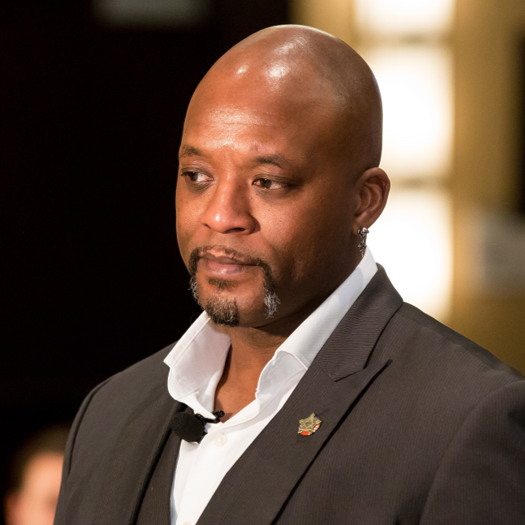
Guest: Paul McFadden
Founder, Zero Point Leadership
website: www.zeropointleadership.com
IG: @neurosomatic_leader
LinkedIN: linkedin.com/in/pmcfadden
Overview

In this episode Brian and Paul dive into work-life balance, looking at it through the lens of what you CAN control as an employee and as a supervisor, and setting outside the things that are out of your control like company culture and policies. Getting over that helpless feeling of “there’s nothing I can do”. During the show, the following great knowledge nuggets came up:
For employees
What does work-life balance look like for you?
Are you clear on what your LIFE balance is? People aren’t often looking for Work-Life balance because they need help with prioritizing and enjoying “work” more, it’s normally because they feel like they’re missing the “life” part.
Have the “expectations” conversation with your direct boss. Get really clear on what the expectation is. Ask lots of questions. Discuss with supervisor over work hours expectations & response times to communications. Differentiate between expectations after hours and during work hours.
Sign off at the right time (the only person incentivized to look out for your life balance is you)
Schedule-send emails after hours (avoid the “they’ll respond even at midnight” reputation). YOU can send the email at midnight, but schedule-send it to arrive at 8am the next day.
If you have too much on your plate, collaborate with your boss on what truly is top priority. Make sure your priorities match your boss’s expectations.
Do you have accountability for yourself on whether you “remember” to schedule send emails or forget one of the above? Creating a “pause point” to follow this is important
For Managers
“Do as I say, not as I do” isn’t fair. Your behavior, your actions, will set expectations. You have to do what you say and say what you do, especially as it comes to work-life balance.
Schedule-send emails after hours. You work late, your email shouldn’t arrive late though. Even if you say don’t work late, if you send emails late it sets a precedent
Address every email with “Hi ____” because they’re a person. acknowledge them as a person first, before asking for something or telling them what you need. It just takes a couple words, a split second but it means a lot.
“The pain of not changing has to be greater than the pain of changing in order for us to change.” This builds up over time, so making sure that you take a break.
Supervisors have it even harder, you have to look out for your own work-life balance, AND consider your employees too. It’s harder, and more important than ever for you.
Take an interest in your employee’s lives outside of work. Make it a point to chat with them about things outside of work, at least 5 minutes every few weeks. It means so much to them.
Support your employees time off, and ask how it went when they return. Make sure that anyone with use-or-lose doesn’t have it because they feel like they can’t take the leave, make sure it’s their choice. Push them to take their time to do something for them too.
Have a channel in your Slack/Teams channel that’s NOT work related so people can just be funny, just be human. You as the supervisor should be stoking and feeding that channel too. Post about people’s bdays and funny stuff.

The WHY
Around the 36:30 time slot, Paul really dives into this one, you should listen to the full episode, and listen to Paul dive into some of the science. People who don’t have balance end up stressed. We create a toxic environment, and that builds up over time and that becomes “chronic”. “Chronic levels of stress”, “Chronic levels of anxiety” and more. 60% of our diseases come from our inability to handle stress. Without balance in your life, it builds up in your system and it causes adverse health effects.
Resources Discussed

Books:
When: The Scientific Secrets of Perfect Timing, by Daniel Pink
Work Reimagined: Uncover Your Calling, by Richard Leider
Work Life Brilliance, by Denise Green
Workshops & Coaching:
Paul discussed his workshops and new coaching program he is launching through Zero Point Leadership
Brian discussed his Work-Life Balance Workshops.
Video
The Audio/Podcast
About The Creator/Host: I’m Brian. At age 4, I was diagnosed with insulin dependent (type 1) diabetes and told that my life was going to be 10-20 years shorter than everyone else. As a kid I took time for granted, but now as an adult, time is the most precious thing that I have. I created Productivity Gladiator because I saw what a difference it made for employees to improve their productivity, improve their work-life balance, and live their best life right now, today, not wait until retirement. Thanks for checking out Productivity Gladiator! Time is the currency of your life, spend it wisely.
Episode Transcript
00:00
Productivity Gladiator.
00:06
I'm Brian Nelson Palmer and I want to answer the question I hear most often from my work life balance workshops, which is what can you do as an employee and as a manager to help change your workplace culture to one that supports work life balance? Because it's this thing, oftentimes it's a helpless feeling sometimes with that because the policies are made and they're outside of your control. But there are things that you can do. And with me on the show today, I have Paul McFadden, who's the head of zero point leadership
00:35
And Paul, why don't you tell them just a little bit about you and Zero Point Leadership? Great. Thanks. Thanks, Brian. Appreciate that. So it's zero point leadership. I'm the CEO of Zero Point Leadership. And I basically work with high potential minority women leaders. I work with young executives and I work with business owners. I'm really trying to help them become better version of themselves. Right. And why am I doing that? Because that's going to help them have happier, healthier and more productive lives.
01:05
Because when you start thinking about when we were all growing up we went to school whether with the school or not trade school Whatever it was we all had dreams. We had kind of a spike we had this dream about what our life was going to look like Yeah, and some of us have found that doesn't look like that True story, right? Yeah, but you know But we all have that still that desire driving us to create that life that we've always wanted Right, and that means we have to do some things. We got to change ourselves
01:33
in order to make that happen. So it's really a shift in lifestyle. So it's not just a lease system, it's like shifting the entire lifestyle. So I help individuals shift, make that lifestyle shift so they can have what they want. Absolutely. So Paul and I were connected through a community organization that we both belonged to. And then I found out about Zero Point Leadership. And one of the things that he talks about is culture change. And that's what really drew him in. I'm like, all right, Paul, let's talk about this because this is something that could be it. So let's...
02:02
Let's focus it. The first thing I kind of want to ask you about, Paul, and I've got some ideas that I want to share with everybody too, but I, the big thing is focused on things you can control, right? There's the, there's that idea that there's things that are, you can control and things that are outside of your control. So things that are outside of the control that we're not really talking about today are, you know, policies or true culture of the entire organization is something that you don't have control over. But the feeling of helplessness, oftentimes there are things that you can do.
02:31
So I want to talk about employees and managers. So let's start with employees. Paul, what would you say for employees that are really, when it comes to work-life balance, what are things that you can do as an employee to make a difference? What comes to mind for you? Yeah, well, there's a couple of things. And I guess, as you were saying that, I was thinking about getting down to the roof. And so it's like, you sit there and think about, how do you define work-life balance? Like, what is it?
02:58
Because everybody's got this own version of what a work-life balance looks like. Like for me, I look at it as life balance because there is work and work is necessary in order for us to pay the bills, support our families, all the things that we feel like we need to do to make us feel successful and fulfilled. And then life is this experience that we live. Now, some of us allow our jobs to kind of overtake life and the job becomes life.
03:29
versus life being life and job is just something that you do to help you kind of feed into those pleasures and those things that you want to enjoy. So part of that really is, I mean, so I guess primarily first, it's a mindset around what balance looks like. And we certainly take cues from other people, we have certain belief systems and values, but we really got to get clear about what that looks like for us first. So that's the first thing I would say.
03:59
that comes to mind. But then secondly, once you have that clear vision of what it is, you have to align everything you do in your life to that. Right? Right. Yeah. We just say it out loud. It just got to align your life to these things, right? This is what I, this is what I envision balance looking like, and I'm gonna start doing that. But yeah, but then there's these other things that come in. Like you're used to working in a culture where you're on call 24 seven. You're used to, you know, responding to emails and voicemail whenever you get them.
04:29
what time of day it is. And if those things, and if we don't draw boundaries, personal boundaries around those things, those things we control, we control our boundaries. But it's how you articulate your boundary that becomes most important. Because you can have a boundary only work until 6 p.m. That's great, Brian, but when your boss calls you at 6.05, what are you gonna say?
04:52
That's a tough conversation. That's tough, right? Yeah. It's a tough conversation that you know how to articulate that in a way that the person on the other end of that line is going to be able to hear you and respect that boundary. So that takes some people navigation skills to be able to do that because it's not just saying talk to your boss or talk to your colleagues or talk to whatever that has to happen. But most people don't want to have that conversation because it typically causes conflict.
05:23
and we avoid conflict. Yep. So the answer is, I could say, well, the answer is to be conflict-avoidant. But that's different from person to person. We're all human beings. Yeah. So then how do you do that? So then you've got to learn how to navigate your own emotional responses. And you've got to be able to navigate how you have conversations. So those are the three things that popped in mind initially right off the top. Yeah.
05:50
For me, I was, first I like what you said about, it's kind of an internal thing too, because the interesting thing about work-life balance, like I teach a workshop called Work-Life Balance, Find and Plan Yours, where I step through with employees on, all right, let's find it. And managers, frontline managers, middle managers, that's that group, because it's not hopeless. But you also kind of have to have a plan. And I love what you said about finding that balance and articulating what it is for you, because it also is like,
06:19
People generally don't come for advice on work-life balance because they're hoping to work more. Generally, the part of this that comes into the conversation is it's the life part of work-life balance that they're missing. That's why we have this discussion. People are generally really good about put it going all in on just work all the time. So that's it. So for employees, I would actually say, first, the discussion you brought up about how do you have that conversation with your boss or what happens if they call you at 605?
06:48
And so one of the things is having that sort of expectations conversation with your boss is super important because your boss is gonna be your primary point, right? It's totally different if the boss's boss's boss calls you at 6.05, it doesn't matter what you and your boss said, but if the boss calls at 6.05 or having that discussion with the boss around the hours and response times on emails, that's super helpful. And for that one, as an employee, you don't have to go in with an agenda to that meeting.
07:17
You go in just asking the questions. You want to know what they're thinking, because it's really you syncing with your manager. So that discussion, that's a big one. And I think also, so my second point is signing off at the right time. If you work until six, oftentimes people will stay on and they'll work until six, 6.30, seven. Like my time is six, but I'll put in a little bit longer. And so then what happens is you start to let that bleed
07:47
that it's hard to roll that back sometimes. So standing up for yourself, the thing to remember is the only person incentivized for the life balance, the only person incentivized to look out for your life balance is you. Like your boss is incentivized to get the work done, and they want the work. But like, so the life balance, the only person looking out for you is you when it comes to that. So you have to stand up for yourself. The other one is schedule send.
08:16
your emails. And this is a good one. You were talking about six o'clock or 605 or they call it that time. One of the things is that people notice without even meaning to sometimes people notice what time your emails come in. And they assume that whenever you sent the email is when you're working until. So if you're going to work late, there's no reason if something comes to mind, you can't log on at midnight if you want to. But Outlook or Gmail, any of the email services you have have an ability to schedule send the email.
08:46
And so make sure you just hit that option. So you can send the email at midnight while you're thinking about it, but it will not get delivered until eight in the morning or whenever the start time is. And that will really help because that also affects people's perceptions of you and when you're actually working. So have at it whenever you want to, but remember to schedule, send those emails. And then, oh, and I wanted to, I have one more for you, Paul. I was thinking, and then I'm curious on if you had any ideas on what I would just shared,
09:15
If you have too much on your plate, the other reason people tend to be late is because there's so much they've got to do. And there's always going to be so much. So having that conversation with your boss also about, you know, you should have a touch point every once in a while with the boss about, here's all the things that I'm working on. And understanding the priorities. Because if you're going to stay late to work on something, it should be the important something. And if it's not important, then don't stay on just because. So having that.
09:45
priority check with the boss is also helpful, I think, for employees. So that was what came to mind for me. Did anything come up for you when I was talking there, Paul? Yeah, yeah, yeah, thank you for, yeah, because those are things that, those are practical things we can do, right? And that's the thing, we got to do things practically. And to kind of piggyback on what you were saying about these different things, the actions we can take, it's really having a personal accountability system in place to kind of check yourself.
10:14
Right? Because it is easy to say, I'm going to schedule, send all my email messages after hours. But are you really doing it? Right? Because sometimes we get caught up in the moment. Right? We just hit send. And so we don't really create a pause point for us to think about, I'm going to send this message right now. How's that going to impact the person that's going to receive it? And what's their perspective going to be? Because am I feeding into this culture?
10:42
with my own behaviors or am I trying to do things to not feed into it? And so being able to create a pause point is something that's going to be very necessary and required in thinking about applying all these practical strategies because only you, like you said, only you are the one that's contributing to this. It's only you. So how do you make sure you don't make the wrong decision, even though you've got a whole checklist of things you know you can't do? Because...
11:11
We're not talking about rocket science, right? We're not saying that, oh, you know, if you do these 10 things, you're gonna be productive. Those things are true, but how are you gonna take yourself? You know, and that's gonna be something that's gonna be necessary as well. Yeah, I think you're right. Well, so shift gears then. We were talking about that. The idea first was the employees, right? You're an employee under the boss, and what can you do? Let's shift gears now to the...
11:40
of frontline supervisors and mid-level managers who have, you might have a level or a couple of levels underneath you, and how do you affect that work-life balance culture just for your team specifically? What can you control? What comes to mind? Yeah, so as a leader, there's a lot, the sphere of influence is much larger, right? Because it's not just you, it's other people's
12:10
Right, so it is incumbent upon the leader to kind of recognize that and knowing that their behaviors, whether the employees say something or not, they're trying to, they're emulating their boss. Whether it's good or bad behaviors, that doesn't really matter. It's what the boss or the supervisor kind of tone that they're setting. And most of that, much of that tone is kind of unconscious or non-conscious below where it's not explicitly stated.
12:34
Right. But it's the actions, not the words. And if the words mismatch, we're going to follow the actions versus the words. You know, this is like, for example, if a leader tells you that I've been working with many leaders, you know, um, I have an open door policy. So if you have questions or comments or concerns about how things are going here and in, in the workplace, you can stop by my office at any time, but then you go by that person's office and the door is always closed. That's not an open door policy. True story.
13:02
were stated, and this happened to, I've worked in many environments where this was true, and I'm sure people can relate to that. The words were stated, but the actual behavior and the accessibility wasn't given. So was it an open door policy? No. It was just stated that way. And so, and that has an impact on how people will perform in collaborating in the workplace. And so if you're a leader and you don't have control over your own life balance,
13:32
How do you expect your employees, your staff, your teams to have control over their life balance? So you have to really emulate that yourself first. So as a leader, there's a lot of times as leaders we think, well, I just need to have my team or my people do this. Are you doing it? That's the first step, are you doing it? And if you're not, figure out how to get a good balance in your life and then that way you can then impart that on other people. Because again, people are gonna say,
14:00
do as I say, not as I do. And it's actually the opposite, do as I do, not as I say. Amen, right? It's that whole like put your, you're on the airplane and they're like, yeah, put your mask on before helping others. And that, I mean, that's the idea. Like you have to be living it too. People very much follow what you, you're exactly right. What you, they follow what you do, very much so too. Yeah. And it's biological. I mean, it's a biological thing. I mean, we're human beings. And so we're kind of wired that way. Yeah.
14:30
We have to have that understanding that, yes, people have to individualize. Yes, people make their own individual choices. That's true. But we have, we have the ability to influence what others do. Basically. Yep. And that's, so that's, that's important. As, as I was preparing to chat with you about this, I had like thoughts that came to mind and one of them that came up again for managers is also the same tip, which was, do you schedule send your emails?
14:59
and especially to your employees, right? Because you're allowed to work at midnight. I mean, these days with a lot of some of the remote work that's happening and people around, like you're not necessarily sitting in your office from nine to five and those are your work hours and when you leave your office, you're done. Now, you and your work are kind of coexisting in your life together at various times. And so respecting people's, if you send an email at 10 p.m.
15:29
on Friday, then are you expecting a response any time before Monday morning? And if you're not, then schedule send that email for Monday morning at 8am. So that and it doesn't and it's fine. You can you can work late. I'm one of those people that has to get stuff out of my head immediately when it happens. Like if it's something that's coming up for work, I got to get it out of here because you can't remember everything. So I just I send the email but schedule send the email so that it doesn't
15:58
come late, and especially for your employees, that's part of them, you were just saying do as I say, not as I do, or that, it they're going to very much look to you as do what you do, because you're supposed to be setting the example. So if you're sending emails at 10 o'clock on Friday, they're going to think, Oh, my God, this person works. I don't know if I'm going to jive with this person, because they work at 10 o'clock on Friday. So you know, so that's make sure you take advantage of that, because that's a that's a very easy thing that actually makes a big difference.
16:27
So that's, that came to mind immediately. And another one that, you know, idea for managers to, in your emails, address every email with, Hi, Paul, or Hi, Brian, or address the person. Very much in email culture, I mean, I have a day job where I very much work in a big organization, and I have supervisors. And so I very much, I can relate to this too. And I also have people underneath me and have worked in supervising. You know, it's that,
16:56
There's all these different levels, but one of the things is if you acknowledge them as a person in the beginning of every email, so you say, hi Paul, and then I need you to do this, this, this, and this, but you acknowledge them as a person first, not just as your colleague. That kind of speaks to some of that culture we were talking about. So that actually means a lot when you acknowledge the person before you asked or tell for something. So that's a funny one. And it's an important driver for all people.
17:25
So all human beings, there's really like five primary social needs that we have. And what you're talking about is this need for relatedness, which is really about the need for connection. And we all need it on different levels. It's how we've survived as a species for as long as we have. But even in the workplace, we still need to feel connected with the individuals that we're working with. We need to feel connected with the individuals who are leading us. We need to feel connected with ourselves. And we need to be able to trust that connection is there and it's genuine and that it's real, because that's how we build trust.
17:55
And so if we're not having that connection and someone's just kind of directing us, of course we're gonna respond in kind. And many times we're gonna respond to avoid some negative repercussions, we're out of fear. So I'm trying to protect myself and I'm wanna protect my job and I'm getting these messages or have these expectations placed on me, but either spoken or unspoken, typically they're unspoken, in order to react and respond in...
18:22
Of course I'm going to do that because I don't want to see what's going to happen if I don't. And that happens in a split second. We don't consciously even think about those things. It's just because once that has been established as a pattern, we will continue to follow through with it until we find a reason not to follow that. So it's like we won't change anything about ourselves unless the pain of not changing is greater than the pain associated with the change. So we won't change anything.
18:52
Yeah, because that's enough. That's a big point Right Let me say it again So the pain of not changing has to be greater than the pain of changing and if that is true Then we will change If the pain of changing is worse than the pain of not changing. Guess what? We're not going to change Yeah Wow, it's so true paul and all those
19:18
And I feel like what happens too is if you do this over, what we're talking about right now, schedule, sending emails, using high or whatever, what happens is it builds up and builds up over time. And so then people get to the point where they're like, I just got to quit my job. We're in the middle of the great resignation and that kind of stuff. And so you've got five years of them never saying your name in the beginning of an email and sending emails at crazy times and whatever, and then it builds up and it builds up and it builds up. And then finally you're like, man, rather than fixing any of this,
19:48
get out of here, I am done. Like then you burn out and those kinds of things. So that, and that's where you talked about the pain of change. Oftentimes, it's a buildup, right? That's not a sudden, that's not a knockout punch that just happens where the pain, I can't take another one of those I'm leaving. It's like a little more and a little more and a little more. And then that's where the pain is so much, right? That's exactly, that's exactly it. Because you know,
20:13
If you think about how we, and I'm gonna talk about it from the perspective of stress, because we talk about how we deal with stress, stressors in our environments, right? And so you go to work, if you have dealt with someone who is a workplace bully, or if you've dealt with someone who maybe is a little bit overly aggressive with you, and you kind of feel like there is a disconnect between your relationship. So there's conflict, right? Basically, it's called a conflict. There's conflict. Over time, that becomes chronic.
20:43
The little things, they start to nag at you, but as long as it happens day in and day out, it builds up and it builds up and it builds up. This is why burnout happens because we can't manage and navigate anymore, but it really is about our response to the stresses that we're dealing with day in and day out. If they make us feel great, it's fine, but if they make us feel bad, we probably got a problem if we don't do anything to shift that. So you're right. Having that burnout and that situation happen, we have to, like you said, the great resignation.
21:13
The individuals who are leaving are basically saying, you put me on pause for two years where I didn't have to deal with this situation anymore and I became aware of it. And I became very, very, I became aware of it consciously that this was the cause of these situations happening to me or the situation, maybe it impacted my health. Maybe I have anxiety, maybe I have this fear of avoidance of conversations. And I didn't have to experience that for two years. Then you tell me, I go back to the workplace and then...
21:42
Well, did you fix that situation? No. Okay, well, we fixed your physical safety. Yeah, we made sure everything was clean and we did this. We got protocols in place and guidelines. What about my psychological safety? Because at the end of the day, if we want to change the things we can control, right? So as a leader, you can impact someone else's perception of their psychological safety, just by how you address, how you approach and how you interact with an individual.
22:10
And so we have to change the way we interact with people that we want, particularly if you want to talk about culture change, but if we're just talking about work-life balance, we have a biological impact on other individuals. If we don't, like I said in the beginning, if we don't demonstrate it ourselves, or the people that we work with aren't going to see it. They're not gonna think it's attainable because we're not doing it. We're not emulating ourselves. And so our responsibility as leaders really is to manage and manage ourselves.
22:40
better. That's our primary responsibility. Manage ourselves better.
22:46
And I want to, I even want to tag in and appreciate frontline managers and mid-level managers, kind of like we're talking about now, you get it from both sides, right? Because you have your own work-life balance, which is a thing. And you're also dealing with directors and people above you and managers and chiefs and whoever, whatever titles they have, there's people above you that are coming down. So now you're getting it from above and below. So the balance is even, it's even more.
23:15
And so you very much the, you know, the stuff we talked about for employees applies to you because you still have your workload and then you have the stuff you have to take care of the people below you as well with that kind of stuff. And so it's, it's a lot. So I, as I, as you were talking, I was thinking about, okay, well, actually I had a couple other things that I wanted to share for the managers too. One of the things aside from doing everything that we talked about for the employees, also for you guys, the, for the middle managers, a couple other things to remember.
23:45
is to take an interest in your employees lives outside of work. Because part of it just has to do with, are they a person? If they're just, you know, the oftentimes the feeling of burnout comes, it's a, it's like you're just a cog in the wheel. They don't care about you. They just want to know, did you respond to my email? And that's it. But if you ask about how they're doing, how their kids are doing, do you know them at all or take an interest? Do you know their name? Do you, that kind of stuff that's, that can make a difference. So,
24:14
having that interest in that person and I gotta say it, but standing up for their time off and what happened in their time off, that's a big thing because part of it is if you're just looking to them on, Hey, what have you done for me at work lately? And that's it. That's where the light we talked about work life balance. Well, at work, there's only work and there's no life. And so then their perception, whether you meant it that way or not, their perception is my life.
24:42
doesn't matter to you at all. You don't, it's just work. All I am for you is work. And so over time, that's what we talked about, that buildup where it becomes so too painful to stay kind of thing. It's that buildup. So having those conversations about what, you know, what are you doing for vacation? Where are you gonna go? How was it? Tell me how the trip was, or and ask those specific questions. You know this stuff as managers, but like, you know, asking instead of just, how was it? Was it good?
25:12
Like ask them, what is the top two things that come to mind from that trip that are so memorable or something? And then they'll tell you a story. And man, like, you know, human beings are about stories. It's about the stories. So having having that connection with them where they shared those couple of things and then you, you know, remember that you take an interest in them. So remembering to support their time off because the time off is where they get the balance. That's we talked about building up and building up. They take that leave.
25:41
And then they come back and you're interested in what they did, where they went, even if it's a, it's like a four minute conversation. It's not a lot, but then you're interested in that kind of resets them down to here. So they don't want to run away and quit like I'm done. So that's just that it's that personal interest stand up for their time off and ask them about them, know them as a person too, not just as a cog in your wheel or a cog in the system. Yeah. And so here's, here's one of the things that
26:11
when I was when I was employed years ago when I was employed, you know, it takes me back to thinking about how I treated my the people that work with me. Right. So, you know, some practical things. And I think that sometimes we forget we can do these things. My one on ones were never about checking in on status of report of programs and projects and where we were this week with this thing. My one on one was a 15 minute check in about where are you with your life? How's the family doing?
26:39
What do you need? What kind of support do you need in order to kind of achieve your goals? You know, there was an authentic, genuine interest and curiosity in what was going on in our life. Like you said, you gotta make people are human beings and we gotta treat people as humans, right? There is a connection that needs to happen. We don't have trust if we don't connect. So we have to connect in order to build trust. So there's that rapport building, but it's like, as a leader, when do I do that? Try it in your one-on-ones.
27:08
It doesn't have to be in that you can do a stand-up meeting for 10 minutes and get status. You can build dashboards for status. You don't need that as an individual to do a report weekly on your face, you know, just so you can feel like you got control. Find other ways to do it. You can make people feel more comfortable in these processes if we just treat people like human beings versus, like you said, the cog in the wheel. So that's something that certainly stands out.
27:33
as a reason why you'd want to do it and how effective it is. Because I can tell you that when I was doing that, I was working for the DC government and I was working with an agency that was laying off approximately 500 people. Well, that 500 people translates to about 2,000 individuals who are going to be impacted because they had families. Right? They had families. And I'm having personal conversations with individuals.
28:04
And my attrition rate was about 1% when people knew they were going to lose their jobs in six months. Now, why is that? Because I treated them like human beings. And I gave them what they needed versus kind of let them be out there in limbo on kind of guessing what was going to happen with them. I mean, so what I'm talking about is really powerful if we just remember, think a step back and remember, we're dealing with a human. Yeah. And we got to be curious. And we got to have a little bit of compassion. And we got to treat them like human beings. All right. And so if we do those things.
28:33
So it's not like we have to make these huge shifts. Even as in the vision, we start thinking about how do I improve my work-life balance? Well, what do you do for fun? Maybe do that more intentionally. Maybe you like to see movies. Maybe you go to the movies twice a month or once a month. Maybe it's having date night with your significant other, whatever it is. Maybe it's having a night with your kids. Maybe it's all sitting down for dinner on Sunday night and having dinner together. Yeah, it gets harder as they become teenagers, but I mean, these things that we kind of, right?
29:03
to do, but that bring us joy. Those are things, little things we can do now, get back to doing, so that we feel like we have a little bit more balance than what we may believe we have. Because when we all we see is work, work, work, work, work, work, work, work, that's a song, right? You know? Um. Yeah, true. There's a lot of songs about work, Paul. Let's say we start down that keyword.
29:32
popped in my head like immediately, but yeah, we put so much emphasis on the word, like you said, we forget that it's not the vacation. It's not the vacation. It's not the long trip for two weeks. It really isn't. And sometimes it's not even the weekend getaway. Sometimes it's that Friday afternoon or that Monday afternoon or whatever, the Thursday afternoon or going to the soccer game or actually going, doing something where we're connecting back with nature, where we force ourselves to find the balance. So it's almost kind of like,
30:03
Don't forget that it's the small things that can bring us back to balance versus the large things because ultimately when you start looking at this thing statistically, I mean, there's been plenty of studies done on this. I mean, people are actually taking vacations every year. It had it. Oh, that's funny. Here's a mind blowing step. Paul, on that one right there, how many people have user lose leads? And if you're looking for a target audience.
30:28
to reach out to them and ask them about their life balance and what are they gonna do and what the people who have use or lose because they never took their vacation time, those would be a prime place to start looking at who these folks are, all they do is just work and so where's the life balance? And you're right, maybe that's just their MO and there are some people who just don't do vacations and they just like to, they like, they're very stuck at their normal thing, but...
30:58
taking an interest in their life and giving them a chance to take those vacations because you know, if they're if they're on the use or lose leave list because they're good, they've got too much vacation time. And if you as the director's director, if you're up a few levels from that team and you're looking down, you should definitely make sure that it's not because there's so much on their work plate that they feel like they can't take vacation. This is like red flags everywhere here and you can see it.
31:27
far in the distance. Paul, we just talked about how it builds up over time, right? You could see that one far in the distance. If this person's on the, that is your red flag six months to a year in advance on who, who are these folks that are struggling because if it's because they can't take lead or they feel like they can't, even if they could, that's, you know, that's kind of part of what you have to do as a manager. That's tough, but it's okay. It is tough because I mean, and I've heard as a manager when I was, like I said, when I was employed, I heard it all the time.
31:57
I mean, I heard it all the time. It's like, you know, I got so much on the plane. It's like, well, but you don't have to do it all today. Take the time. Um, right. So, you know, so I would make people take the time. You should lose it. Well, you got 30 days, go ahead, take a month. You know, we'll figure it out. Um, those things go a long way, you know, and obviously certainly yes, there are people who will take advantage of those situations and manipulate those situations, but that's very, very small percentage of people. I think as leaders, we get so hung up on the. But.
32:27
bad people could do with that versus the masses of good that generally speaking, most people would certainly appreciate and reciprocate that kindness in term with performance. So it's like, a little bit more kinder and people will perform better. Big time. Huge. Absolutely. And most of your workforce is going to be on the good department, right? And especially are the good people taking their vacation time?
32:55
but then still checking emails when they're supposed to be off. Like if you have an out of office, a message up, or you're not supposed to be there because you're on leave time, you're on vacation time, but then you still check in on things while you're off. That's part of it. Like, no, no, don't do it. Don't don't. And you as a supervisor can be going, wait, hold you kind of have to stand up for that person. Cause part of you as their supervisor, you're sort of setting the expectations of the organization in the biggest way.
33:25
It doesn't matter what the policy says or what the bosses bosses say. If you are coming to him and if you're expecting a response to an email on their day off, then huge red flags here like this. Whoa. So I that's yeah, you're right on. Absolutely. It goes back to your point that you said earlier, if we as leaders are taking the time to get to, we're taking time to get to know people. We're not nobody's saying you have to be best friends with your teams.
33:55
And I think a lot of times people here get to know your people and they think, well, I don't want to be friends with them. And it's like, well, nobody's saying you have to be friends with them. What we're saying is get to know your people because in those scenarios, then, you know, I know you're on vacation this week, Brian, and you were sent an email. Hey Brian, I thought you were on vacation. I don't need to see messages coming from you until you come back. I mean, as your boss, I could say that. Right. And it's almost like.
34:24
You're allowed to say that if you've built a rapport with this person. But if you haven't built a rapport with Brian and you say that to Brian, I see it. Brian, I've never talked to you before about your personal life. And suddenly you're on vacation. You send them answers. Hey, Brian, you know, you really don't have to respond back to emails, but I'm glad you did, but you really don't have to do that. Okay. Now that I told you, I'm glad you did. Guess what you're going to do the rest of time you're on vacation. Cause you don't know if I'm serious or not. You have no idea. Yep. Because you haven't had a conversation with me outside of
34:52
Responsibility is at work what I expect from you and how things are going on your projects. That's the only conversation I've had. Yep Right. So so we have to we have to do a better job We got to do a better job with and I think that I mean it really sounds you know as I'm talking and so, you know I think a lot of people here talking about a lot of the soft skills. Yeah, I am because You know again, we can give you a list of 20 things you can do. Here's
35:17
20 things employees can do, here's 20 things employers can do. You do all these things, remember to do those things, you're gonna be fine. There are courses that are taught on that. And you can find them anywhere. But then I'm gonna ask the question, why aren't you doing it? And the question is, the answer to that is simple. One, I don't know how to, because I'm not doing it myself. And because I already have my own way of operating, I have my own habits, I have my own belief systems, I have all these different things within myself.
35:47
that either I'm willing to change or not willing to change. And if I'm not doing it, you can't expect other people to do it. It doesn't work that way. It's like thinking about your children. If you're not being a kind person and then your children kind of see that and emulate that and they start being unkind, and you say, Johnny, why would you do that? Because I saw you do it, dad. Well, mom, I saw you do it. You know, just look at a two-year-old, you know, drops the F-bomb.
36:16
Or drops and drops another word, you know, where did that come from? Oh, I don't know. Yep. I didn't teach him that. You did teach him that. Absolutely. Gosh. Well, is there, so we talked about what we've talked a lot about the, what you can do and so I, the tag on question to that kind of Paul is I'm curious, can you talk a little bit more about the why from what you've seen, like why should you be?
36:42
tuning in. Of course, I mean, we kind of sprinkled through this topic while we were talking about what to do, but speak a little bit about why. Yeah, I think the why is really interesting because, you know, the why, and this is a lot of science, right? So I'm going to try to condense a lot of science into a few minutes in this response. Okay. And maybe point to some resources too, you know, maybe at the end of the day. Yeah. So what's happening is, so...
37:07
we don't have balance, right? And because we don't have balance, that has created, we will call it the stress response. But people really need to stop saying stress as such a generic term and kind of break that down. Stress means something. That means we are experiencing different emotional states that are taking energy away from us. They're making us feel bad. They're making us feel like we're in a toxic situation. We have conversations about toxic cultures all the time. It's the state that people feel when they're in their environment.
37:36
And so we are in and around toxicity, and we are actually perpetuating a cycle of toxicity within ourselves. So that emotional response over time, as we were talking about, builds up. So we can get to chronic levels of stress. People have heard this term before, chronic levels of stress, chronic levels of anxiety, chronic levels of depression, chronic levels of frustration, whatever the emotional state is that we're feeling, that's what we're experiencing.
38:05
But that has a physiological impact on ourselves, on our bodies as human beings, a significant physiological impact. You can go to the Institute of Stress, and they'll say that 75 to 90% of all primary care visits are rooted in our inability to manage our stress levels. Why aren't we able to manage our stress levels? Because we don't have balance in our lives.
38:28
If you go to the AMA, they will tell you that 60% of all diseases are rooted or an inability to manage the stress response. This is not new data. This is data from 2014 and a little bit before that. I mean, this is data. It's the same data. It's getting worse. And so it's almost kind of like, why is it important? Because if we get burned out and we're not careful, we can, that in turn, turns into chronic health
38:58
situations. And in some people, I mean, so you start thinking about, what are the big four? You got cancer, you got cardiovascular disease, I mean, you got high blood pressure, you got all these different diseases that are rooted in our inability to manage a stress response. And if we don't find balance and we find ourselves in those situations, that could be not only detrimental to our health, but that could actually be killing us. And when you start seeing people in your workplace
39:28
And at age where you don't expect these chronic diseases to happen, and yes, they work out, and they have a great diet, and they seem to be a pretty balanced person, but they fall dead of a stroke in the middle of the office, which I have seen happen in one of my employer's offices before doing it with an HR director, who everybody thought was perfectly healthy. Well, why did that happen? Because she wasn't able to find balance in her life. She worked 12-hour days.
39:57
She didn't do the things that she enjoyed. She didn't spend time with the people that she loved. She didn't have effective conversations with people. And because she didn't do those things, it built up in her system, and according to her physiology, her system couldn't handle it. And this happens to a lot of people. This happens to a lot of people. And we don't make the link about what's going on in their lives. And so it really, you know, and I hate to say it that way, but it's almost kind of like,
40:26
we have to get really focused on how much time we actually have here. I mean, everyone is born into this world and we got 29,200 days.
40:36
That's the average lifespan of a human being. Where are you right now is the question. And how much time do you have left? And then when you start thinking about how much time you got left, what are you gonna do with it? It's important because we can continue to work in the same conditions and have these situations happen. And then eventually retire. And then we have this much time left. Right. Yeah, and then how do we live life? But we don't know how to live life because we've never lived it.
41:06
right, because we got so focused on work. And so, in the second part of that is it ends up being regret. Because the last thing we wanted, I mean, and there's many studies on this, particularly when you start looking at the science around purpose and things of that nature. So a lot of people who come to the end of life and there's a lot of regrets, and I wish I had lived, I wish I had done this thing, I wish I had taken a risk on that and done that other thing. And they didn't do it.
41:35
And now it's not enough. There's no more time left. And time, we're not going to get back. There's no rewind button. We're not going to get it back. So, you know, I hate to kind of be poignant, you know, with this, this comment, but it's really like, yeah, we only have so much time. So how do we want to live our lives? Right. So that's why it's important. I can go to other reasons why for me, we have an impact on other people, you know, you know, it's so as a leader, we get people, we can,
42:04
our behavior can put people in this chronic state, and then we almost become responsible. It'd be irresponsible for us as leaders that once we know that we have an impact on other people, and that we do something that has an impact on them, negative, and we keep doing it, we have a personal responsibility to stop doing that thing. You know, a personal responsibility. We're responsible, and then what does that make us? Does that make us a good person or a bad person? I mean, these are things we have to start weighing out the morals of all this thing. So-
42:34
Yes, we're talking about small steps to do, but you know, it's, that's, that's the reality of it. And I want to tag onto what you're saying here with the why, because it's also, why is also creating habits, right? And if your habit that you have fallen into is working on nights and weekends, if going above and beyond extra, it's hard to change a habit. There's all kinds of research on that as well. And so if you fall into the habit,
43:04
of not a good work-life balance, then that is the thing that perpetually builds up and builds up like pressure in a container, you just it builds, it builds, and then you get to what we were talking about earlier with now I just, I got to quit because I got to let all this steam and this pressure go. Whereas if you build the habits around going exercising regularly, and like planning your week, planning your balance, right? Do you know that there's going to be balance? If you get into that habit, it keeps the pressure
43:34
down. It keeps all of that down and that takes into like you said the health consequences and all of that stuff. But it really starts with those habits. And so if you have habits around work of not the or habits around work life balance that don't support you with your life balance, then that it's it's easier to perpetuate the problems than it is to make the change. So if you heard one or two things that Paul and I have said so far that are helpful, that you could
44:03
if you could do one or two of these things and help change one habit or two habits over time that pays dividends over and over again. Absolutely. And it's good that you said that because it kind of goes back to the thing before. You gotta have a vision or an idea of what balance looks like. Because I think for most people, we didn't just decide to go to work and to jump into the situation where you didn't have balance. There was a time.
44:31
Well, it was early on or not where we felt like we had a little bit more balance. We were able to do the things we enjoyed doing. Plus, we were getting things done from a work perspective and we felt satisfied. And then maybe that situation changed because we got a promotion or this other thing happened or our perspective around the job shifted. And as that happened, we started letting go of the things that were most important to us. And so we have to find ways to get back to that. So you're talking about habits, right? And it habits.
45:00
or you create new habits with intention, right? So there's intention and there's attention. You can create new habits. And there's neuroplasticity. I mean, that's been heavily researched. So if we have intention and attention on new behaviors, those can become new habits. Now, a lot of people get caught up in the thousand times rule and that's not necessarily been proven to be accurate a hundred percent, but you know, but it's about the intention, the attention and attention.
45:29
attention and intention around what you want to do and what you want to see happen. That's a big, you know, play on. Yeah. But, you know, but it's small things. Like you said, exercise, meditation, right? Building time in your calendar for time off, whether it's 30 minutes or 15 minutes, do a reboot, do a reset, go take a walk, you know, get in nature, do something, like I said, these things aren't, and these things seem like they're not even work related. You don't know. They're not really there.
45:58
They're human related, right? If you want balance, you got to create your own balance. I mean, we all have the ability to do that, but we need to figure out what does balance mean to me? Does that mean I need to listen to more music? Does that mean I need to dance? Does that mean I need to go play basketball? Does that mean I need to work out, exercise? Do I need to go sit in silence for 20 minutes under a tree and take in the fresh air? I mean, what is it, you know, and do that thing.
46:28
So Paul, what does this mean for you personally? Is there a connection here for you personally on this whole topic of work-life balance? Yeah, this whole thing is, I mean, I got to a point, I can't even, there were several periods of time in my careers where I've experienced the burnout, but I would say it was actually the primary driver for me to kind of shift from being a C-suite executive in the IT world to doing what I do now.
46:56
which is really about coaching and training and kind of teaching people how to be better versions of themselves. I left what people would say was a pretty sweet deal, working in the IT world. Why? Because I got burned out. And the burnout was not necessarily around, people treating me inappropriately, but just kind of realizing that there was a general sense of not caring about people.
47:25
A general sense of not really having vision. There was a general sense of not being aligned to a purpose, or a means to like, this is why we're here. This is why we do what we do, because we're supporting this particular mission. And, but for me, it was mostly about the people. The people thing kind of stuck out to me the most, because like, if you don't take care of people, I don't care what kind of processes that you have, and I don't care what kind of systems that you have. People work the processes and the systems, and it's in balance right now. And people aren't just gonna do,
47:54
Dude, that's an outdated paradigm. That paradigm is over 100 years old now. It's much different now. And so if we lose sight of the people that are in these processes, then we've lost sight of why we're even doing what we're doing in the first place. I mean, so people were talking about how do we bounce back from this great resignation? Well, we gotta learn how to reconnect again. We've forgotten how to.
48:24
to establish rapport and build relationship. We've forgotten and it took two years. But here's the interesting thing. We weren't doing a great job of it beforehand. It's just that this kind of highlighted an aspect. It highlighted some of those things. Highlighted, highlighted all the comments. And on that topic, I heard two interesting things I've heard. One is if your team doesn't have a channel, if you have Teams or Slack or whatever the communication channels are.
48:50
you should have a channel that is not work related so that people can just be funny. Like if you don't have a channel for humor and jokes or something like not work related or somebody had a baby or somebody like the, the human part of things, since we aren't in the, in the workplace, you need to have a place to share those things. And so there should be a channel for that so that people can do that. And you as the supervisor should stoke and feed that channel.
49:19
And I mean, maybe that means you're posting happy birthday messages because you know from the HR file that it's somebody's birthday and they're not going to share it themselves because not everybody does. So you just go on and say happy birthday and you know what you can celebrate their 25th birthday no matter how old they're turning. Everybody can just always turn 25 at work. That's cool. You know, like make it that's cool. So have have those things. That's good. And I'm a why for me. One of the reasons I bring this up.
49:45
Why I wanted to do this episode was because this is one of the most common questions that comes up is it is a feeling of helplessness around work-life balance. And the reality is you are in the driver's seat for part of it. You are, you do have some control over your part. So it's, I wanted to make sure that we talked about what you can do because there's a lot of feelings of helplessness around work-life balance. So make sure that you're doing your part.
50:13
Is that why? And for me personally, it's also because I have been an employee and a manager and a senior manager and I've been through a lot of these situations and I've definitely noticed that there is a lot of feelings of helplessness and everybody kind of does this thing where they just you know Oh, it's them over there. Oh, it's this work policy. It's this thing and the reality is There were there was somebody doing your job before you did it and there's gonna be somebody doing your job after you did it
50:42
And so you got to figure out how to find that balance. And so the why for me, that's the point of why is like answering that question of, look, it's not total helplessness. You're right. There are things you can't control, but make sure you do the things that you can control. And if you do that, it's going to be better. Even if it's not great, it's going to be better. Absolutely. Do that stuff. Now, Paul, any, just kind of bringing it back to any.
51:08
Additional resources or things that you recommend on this topic for folks that are looking into this more Yeah, you know so, you know one of the things that came to mind for me was a couple books You know Daniel Pink is an author and he wrote a couple books It's really interesting because he talks about there's a book he wrote recently called. I want to say it's called when And it really talks about finding the times where you're kind of working at The time the time of day when you kind of work at your best like so these are times a day of like you might
51:38
You might carve out time for yourself to work because you're going to be really focused. You might carve out time for you to do some meaningless things, but necessary, like, you know, getting your account on read emails and that kind of stuff to respond to email messages. Or you might find there's here's a time where I need to be very really creative and I need to kind of focus on my creativity and or focus on my downtime because I'm not going to be as productive. That's a really great resource for people that are looking for how do I how do I even you know, because like you said, people feel helpless. Other things people
52:08
don't even know where to start. Right. Right. So that was this because I know where to start. I want to change this. I have no idea where I can begin. Right. So some business thinking about how you spend your time, right? You know, I think that, you know, there's a great book, it's called finding your purpose written by a man named Richard lighter. He's a he's a business coach. And he talks about finding your purpose. But there's another one about I have it back here. I want to say it's
52:37
reimagining work, right, which is really good. And it's about how do you find reasons why you do what you do so you can kind of connect with the job and mission and have it align with your own personal values. Because a lot of times people think I got to leave if I want to find fulfillment. No, you need to find a reason to stay. You need to find what is it about this thing that I do that I'm spending a lot of time with.
53:04
that I really enjoy and connect with that versus talking about all the things you hate about it. I mean, yes, sometimes people need to leave, but sometimes people just mismatch and they probably need to find something within where they are, but maybe just do something different. But you never get there if you don't even understand how it connects with what you're doing. Right? So, you know, reimagining work, that's another good one. Richard Leiter is the author for that one too. So those things kind of stand out for me is what's, you know, kind of helping.
53:33
Understand not even research behind it but like looking at some practical things we can implement in our lifestyles to kind of shift A little bit because we had to shift mindset Yeah, if you don't mind say we're gonna we're gonna continue doing the same thing we're doing and that's insanity Exactly same same thing and you know You were talking about books the one that I can share is there's a book called work life brilliance And it's by Denise green and I really appreciated her book because one of the things that people get
54:02
there's a feeling of overwhelm around work-life balance because it's just, it feels like it's so much. And you know that saying, a journey of a thousand miles begins with one step, right? So if you're taking one or two steps, or you just, this month, I'm gonna do this, and you do that one thing, and that'll help turn the ship just a little bit, and then a little bit more. And so for some folks, it's the momentum of getting started is really helpful. And so in that book, she talks about a lot of very practical little things that you can do.
54:32
to make these shifts. So it's very practical advice on Do This, not just the thoughts. So I really appreciated that book. And of course, you know, for anybody listening, I'm Brian with Productivity Gladiator. I teach workshops on this. Paul with Zero Point Leadership. We also, Culture Change and Leadership and the stuff that he's doing. And actually, Paul, this is a good point. Why don't you talk about, you've got some new coaching sessions or things you're going to be, what's coming forward for you in the future?
54:58
Yeah, so I have a couple of different shifts that I'm making within my organization. So I'm putting together these, I will call them science-based immersion programs. Right? And so really it is a combination of some learning and group coaching to be able to not only get the information that we need to have in order to start making different decisions, but also, you know, creating accountability, self-accountability systems so that we can actually...
55:26
put some things into practice, right? Because the biggest thing is it's all about how do I make this practical? And I think the science is great. I mean, it's very informative, but, you know, how do I translate that into activities that I can take and steps I can take so I can start improving my habits? And I will even go as far as to be shifting our routines or actually creating rituals. And when I say rituals, it's about creating an intentional routine, right? That's a really-
55:53
an intentional routine because it has a means to an end. I'm doing this because I want to achieve this thing. Right? And so create those intentional routines or rituals so that you can start getting the results you like to get. So I'm putting together a self mastery journey, which is looking at how we optimize ourselves in multiple human domains such that we, one can be on the road to truly becoming a better version of ourselves.
56:21
And if we can do that and actually put some consistency behind that, we can change how we are. And that really is basically a mini evolution, if you will. So imagine it being you becoming human 2.0 because you are a different person than when you started. That means you've changed. That means you've evolved. Within the organizations, I'm looking at doing smaller micro learnings where organizations are really learning how to, and leaders are learning how to.
56:51
one, lead themselves better. Because part of our conversation is, if you're not even, if you're not emulating what a balance looks like, then it's hard for you to expect others to do it, right? You can't make others do it. So you gotta lead yourself first before you can actually lead others more effectively. And so I take them through this process of where they, one, learn how to better lead themselves so they can manage and navigate themselves better. But then how to then, looking at it from, you know, from a team perspective or looking at, you know, looking at people that they work with.
57:21
How do I help them see it? How do I manage them in the moment? And what are some of the strategies I can employ so that they can certainly do the same thing that I'm doing? Now, all this is really caveated around everybody needs to start at point A, right? Everybody needs to start at point A. It's self leadership. Doesn't matter if you are the manager, doesn't matter if you're the frontline worker. Self leadership is for everyone. So we have to start there. If you're leading others, then you start going down a more advanced track.
57:50
But again, these are macro learnings that are going to be done over 90 days where individuals are going to have the accountability systems put into place so that when they're actually taking action and implementing these steps, they have some way to kind of do a check in and kind of get that feedback loop they need so that they'll know if they're doing it right or if they need to make adjustments. And so those are two big things that are coming up in the next 30 to 60 days where we want to see some shifts happen. Well, that's cool. Well, Paul.
58:20
Thanks for coming in and doing this episode with me. I think here's what I love. I love that you've kind of taken this journey and leadership and culture change, and you seem to have gone way into the science and the study of the mechanisms of how. For me, I'm always fascinated with, tell me the little steps, tell me the little things, like that journey of a thousand steps. I mentioned, man, let me take 10 more this week and see if I can keep moving, and I like that part. But I love that.
58:47
you've gone through and you've really got some of that science in there. And I love some of the perspective that you're sharing from your time, you know, and I love that we both share from, I mean, we're sharing from not from a what we wish the dream state was, but we both have been there in the trenches on what it is and how it is now and what folks are facing. So I, so I, I really appreciate you joining me today for this, this episode. Thanks for coming in and chatting about this.
59:14
Absolutely, it's certainly been a pleasure to speak with you and certainly share this information with people in your audience Yeah, and so now folks that want to find out more about you or social media website. Where's the where's the best places for them to go? Um, well the website is www.zero point leadership. That's all spelled out zero point leadership It's all one word.com and my Instagram is at Neuro somatic underscore leader and I'll send those to you
59:43
Oh nice, I'll get those in the show notes too so that you can click in your episode and find those here as well Um, and of course i'm productivity gladiator. So feel free to subscribe So for those of you that are listening Thanks for the likes and the follows and the subscribes if you sign up for the email list I will send these things to you straight to your inbox So you don't have to go looking for them and you can catch these videos whenever they come out and each one of these episodes I'm capturing in a podcast or if you like video you can watch paul and I talk about this. This will be on youtube as well
01:00:12
So there'll be video too. And then also as a blog post, if you're more of a reader, you can certainly subscribe and get this reading, read through these things too.
Introducing The Show
What IS this show about? I want to share knowledge, hacks, and ideas on life balance & personal productivity. I also want to share more than just my perspective, talking to knowledgeable people in these areas
I used to write a blog, but some people prefer to listen, and some people prefer to watch. This show covers all those mediums. It’s taking the educational topics that would have become blog posts, and bringing them to life. not just writing a few hundred words. This show gives you a front-row seat to those conversations as well.
I’m Brian Nelson-Palmer
& this is Productivity Gladiator.
I want to share knowledge, hacks, and ideas on work-life balance and personal productivity. I also want to talk to knowledgeable people in those areas, to share more than just my perspective.
I used to write a blog, and I realized that not everyone prefers to read, myself included! Some people prefer to listen, and some people prefer to watch. This show is about taking the educational topics that would have become blog posts, and TALKING through the ideas, not just writing a few hundred words. Also, I love having conversations with experts in the field. This show gives you a front-row seat to those conversations as well.
The Video
The Audio/Podcast
The Concept - Learning By Committee
In the world of personal development, I love to learn from multiple perspectives. I call it “learning by committee”. What I mean by that is, I would rather leverage the knowledge from many different perspectives, and take the parts that resonate with me from each, rather than learning everything from just one person. That’s what I mean when I say “learning by committee”.
Here’s a story that happened to me recently which further demonstrates what I mean. I’ve become a boat guy recently as an adult. I’ve never had someone in my life to teach me about operating power boats and being a captain. In order to learn, I have been out for lessons with several commercial captains. The first one was a surly, opinionated old chap named Captain Bob. Captain Bob told me “You must always have paper charts and maps. The biggest mistake you can make is to rely on electronic devices for navigation.” See, what Captain Bob doesn’t know about me is that I went paperless in my personal life years ago. I’ve also gotten rid of all my physical books because I’ve streamlined my home life. The concept of keeping a book of navigation charts isn’t my style, but I saw his point.
My next outing was with Captain Frank, a middle-aged friendly guy who was a little more hip. He wore his captain hat crooked and had a heart of gold. Frank introduced me to Navionics, which is an online chart mapping app that is like GPS for you while you’re on the boat. THAT was more my style! I also discovered it was $50/year, which was kind of a bummer, because I don’t go out that often, and I’m spoiled by Google Maps which is free GPS when I’m in the car. Since I’m frequently on the same waterways, going to similar places, having to pay that much for the app when I often knew where I was going was kind of a bummer!

My third outing was with Captain Brady, a “by the book” kind of guy, who talks to you with an aura of expertise from 3 decades of experience as a captain. He used to work for NOAA, the National Oceanic and Atmospheric Administration. He told me about NOAA’s role in navigation charts, and how part of their public service as a government agency is to provide depth and navigation charts for all of the US’s waterways. Their charts are free! Now we were talkin!
That night, after meeting with Captain Brady, I was at home and started searching NOAA’s resources. While researching online, I found an app called Sea-IQ. Sea-IQ is a maps and GPS app like Navionics, but it has a free version which lets you see the latest NOAA charts from your phone. That was my win! I now use Sea-IQ as my navigation app.
For me, I learned a little bit from each captain I met. I saw Captain Bob’s point, that electronics could leave you stranded, and if I’m ever going on a long open water overnight journey, I bring a backup map device. Captain Frank gave me hope with the idea of a GPS app. Capt Brady introduced me to NOAA charts. Google helped me find the NOAA charts on a free app. I feel I’m better because of all of their perspectives. I think of this as me “learning by committee.”
This is also how I approach learning about work-life balance and personal productivity, which I’ll be talking about on this show. It’s a voyage. I hope there will be many captains for you in your voyage. Take the best things you hear from all the captains you follow! I’d be honored to be a part of that journey, and I hope this show helps you to become better and better.
Where This Is Headed
On this show, I’m bringing you along on my conversations, and my voyage. I teach Work Life Balance and Personal Productivity to employees of businesses and organizations. I’m also a self-improvement nut. I started this show because I wanted a way to continue to add value to people I’ve worked with. I don’t know about you, but in my career, I’ve been to so many work training sessions where at the end the instructor puts their email or contact info up on the board and invites people to keep in touch. In most cases, I’ve walked out of those sessions and not given them a second thought. My hope is, by doing this show, I have something to offer, to continue to add value for the people I’ve met.
Thanks for checking this out. Thanks for subscribing, listening, and engaging if you want. And thanks for being a part of my voyage with Productivity Gladiator.
I’m Brian. At age 4, I was diagnosed with insulin dependent (type 1) diabetes and told that my life was going to be 10-20 years shorter than everyone else. As a kid I took time for granted, but now as an adult, time is the most precious thing that I have. I created Productivity Gladiator because I saw what a difference it made for employees to improve their productivity, improve their work-life balance, and live their best life right now, today, not wait until retirement. Thanks for checking out Productivity Gladiator! Time is the currency of your life, spend it wisely.